WATER AND HYDRATION!

Not  only  does  water  improve  the  way  we  function,  but  it  also  improves  the  way  we  feel  and  the  way  we  look.   Some  of  the  natural  perks  water  has  to  offer  include:   *‡Hydration  of  internal  organs,  enabling  them  to  function  properly   ‡

*Hydration  of  skin,  keeping  it  looking  fresh  and  healthy   ‡

*Weight  control

*‡Increased  energy

*‡Alleviating/preventing  a  variety  of  ailments  and  keeping  the  immune  system    healthy

*‡Regulating  body  temperature   ‡

*Flushing  out  waste  and  toxins

Hydration  Tips

Chew your water, let the saliva mix with it – will inject your water with your own chi and will digest better
Drink  1  liter  of  water  per  every  50  lbs  of  body  weight.  Do  your  best  to  drink  room  temperature  water  between   meals  as  to  not  dilute  your  digestive  enzymes.  Ex:  150  lbs=  3  liters  or  100oz
Water with minerals is very important.  If you use reverse osmosis with your water, be sure to add back the trace minerals, so it  gets  delivered  to  your  cells  and  hydrates  you.  (1  t  per  liter)
Drink  water  every  15-­30  minutes  while  exercising.
Drink  BEFORE  you  get  thirsty  because  being  thirsty  is  a  sign  of  dehydration.
Limit  consumption  of  caffeine  which  can  dehydrate  you  because  it  acts  as  diuretic.
Coconut water is an amazing tool to replenish electrolytes
Carry  a  non-­plastic  reusable  water  bottle  with  you  at  all  times.
Eat  more  fruits  and  vegetables  which  contain  water.
Learn  the  signs  of  dehydration:  headache,  fatigue,  muscle  cramps,  increased  heart  rate  and  body  temperature   and  decreased  perspiration  and  urination.  Many  every  day  ailments  can  be  cured  by  increasing  water   consumption

PADDLE BOARD YOGA CANCUN

We found that Adho Mukha Svanasana was one of the steadiest poses (though not easy!) to try.  Key points were to start with a wider stance then usually and to maintain a strong contact with the center of your palms on the board.  Engaging our legs more than usual also seemed to steady out the pose.  Have fun! image

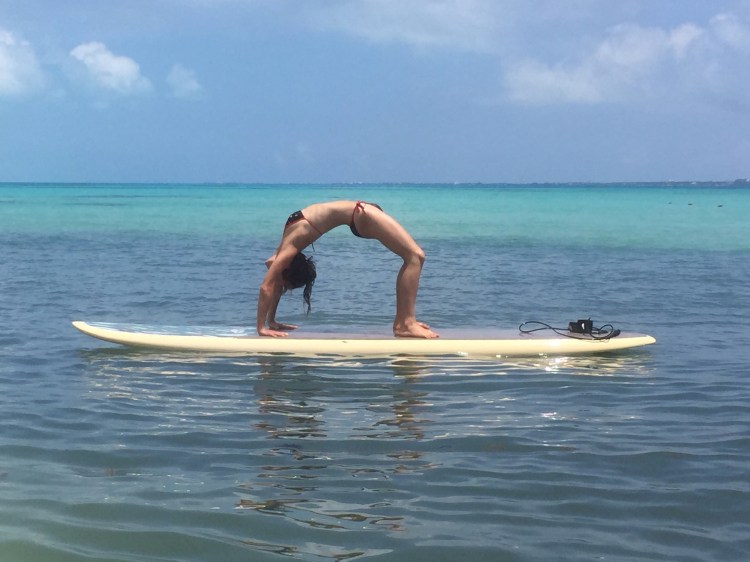
Wheel pose (Chakrasana) was a bit more challenging but surprisingly steady once in the pose.  Be sure to stay calm and relaxed in your breathing before pressing up, lift your heart to the sky and press strongly into the board with your hands and feet.   (warm up the spine with a few cat/cows prior to coming into this deep back bend).  Hope you give it a go!image

Day 100 – Mission Complete!

ONE MISSION ACCOMPLISHED.  SEVERAL LIFE LESSONS LEARNED.

 This new year’s resolution ride of one new thing a day for 100 days has been full of diversity, new smiles, breathtaking places, fresh knowledge, growth, some discomfort, quite a bit of anxiety!, self-doubt, self-realization, laughter, tears, gratitude, a new found ability to let go of perfection, and a reassurance that my passions in life are nature, living in the moment, new horizons, and people.  Speaking of the latter, met some new amazing folks – as well was reminded of what magical ones I am fortunate to already know.

Image


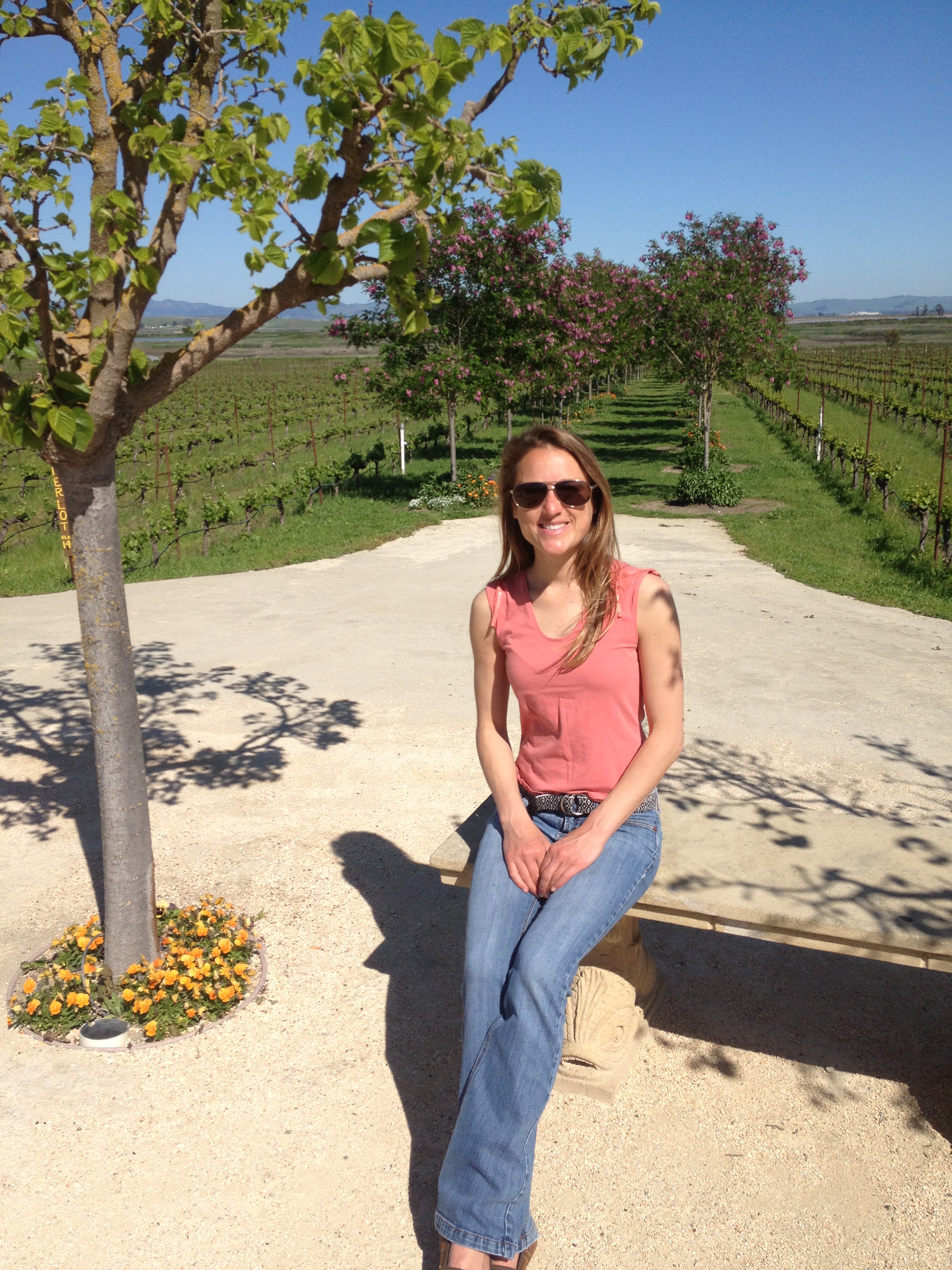
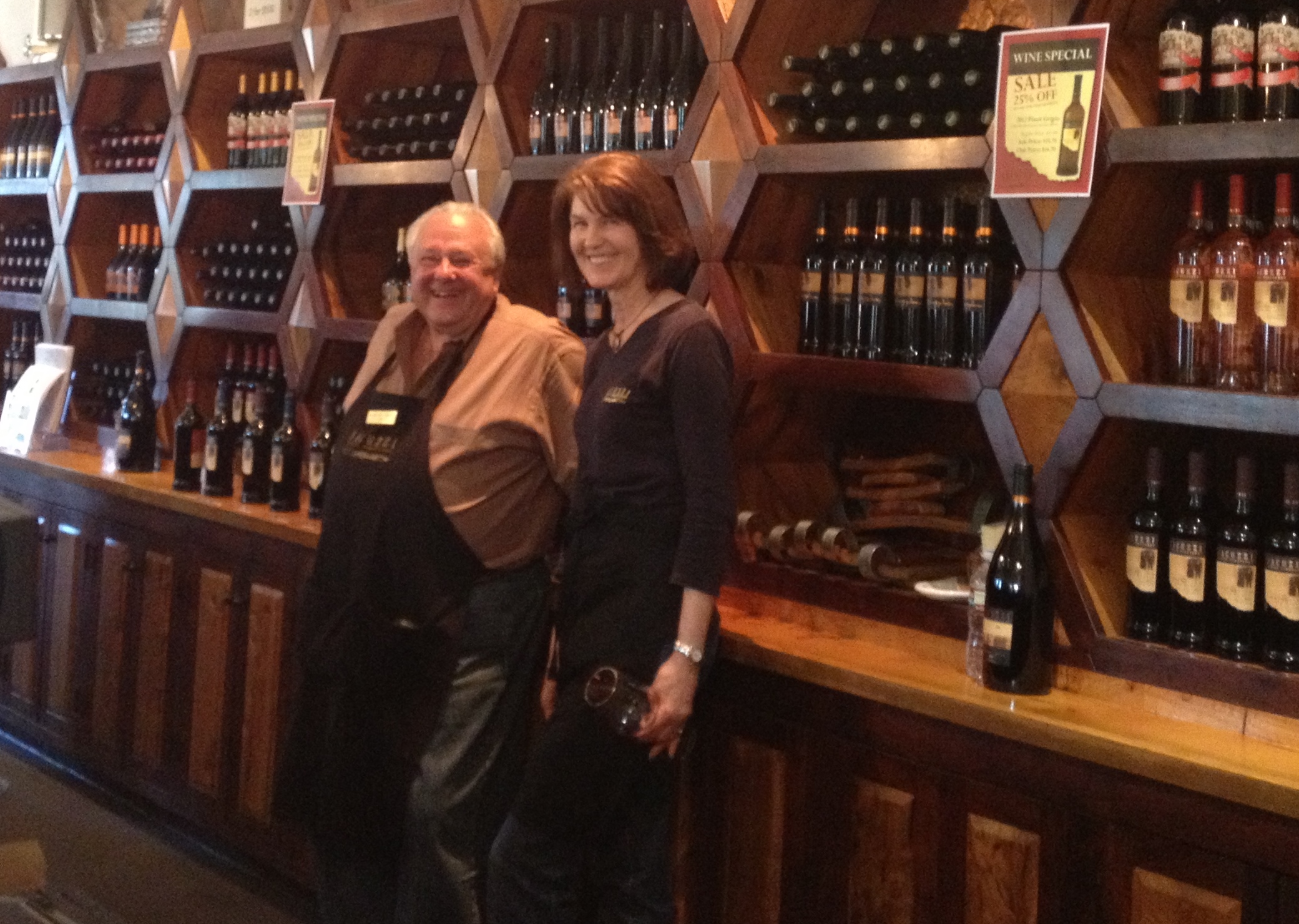
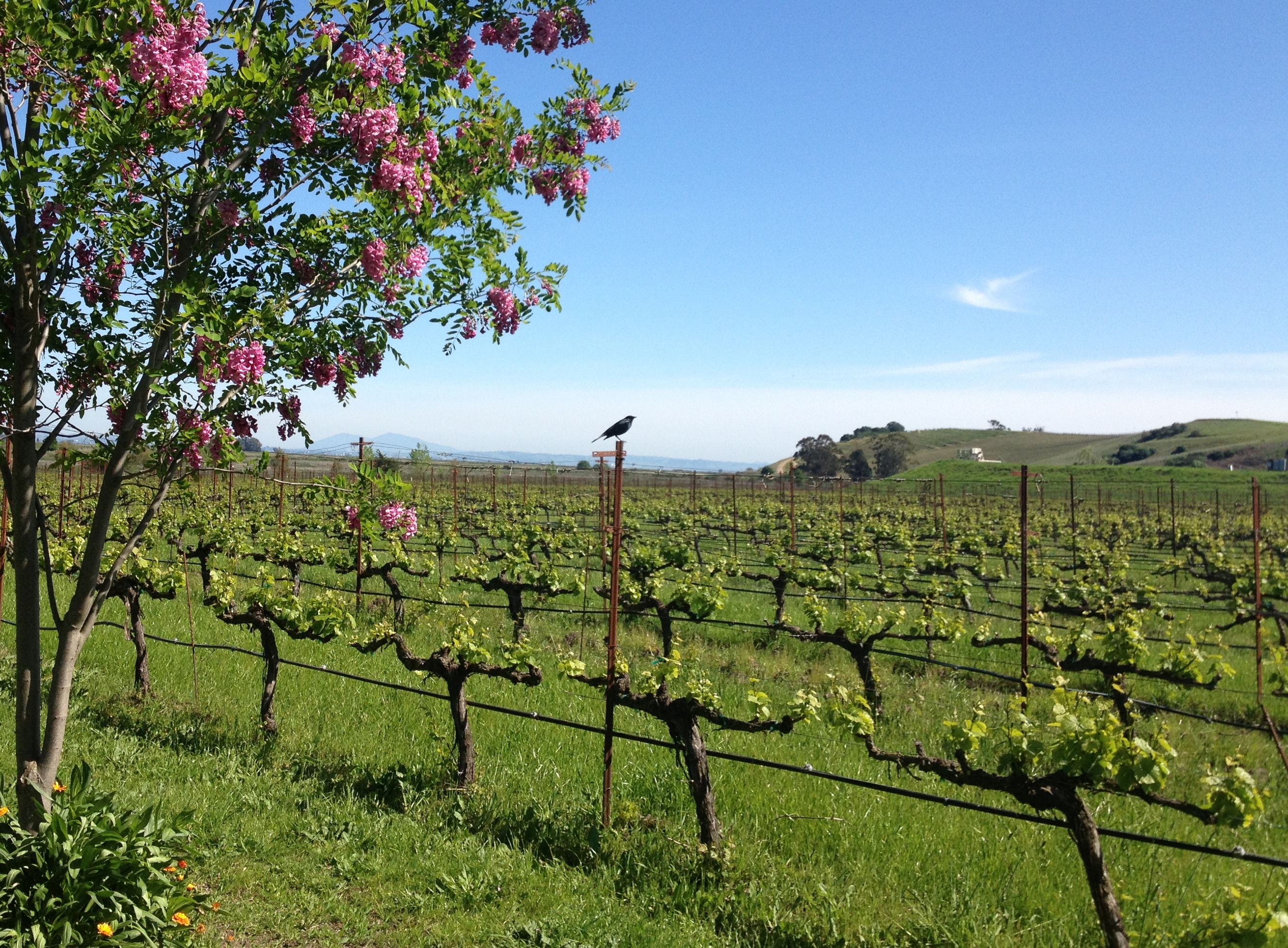
Today’s “first” was toasting to 100 days at Cline and Jacuzzi Wineries in Sonoma – complimentary tasting, caught the tail end at 5pm which was ideal because I was able to indulge in conversation with the Sommelier, Laura. Below are a few pictures.  After the tasting I sat outside to reflect on the completion of this 100 days project.  Sure was fun.

Image

Image

Truly is not about figuring out the perfect path, but rather about connecting with others along the way. Being aware, open, and of assistance wherever you see fit.

Image

Day 99 (already!?)

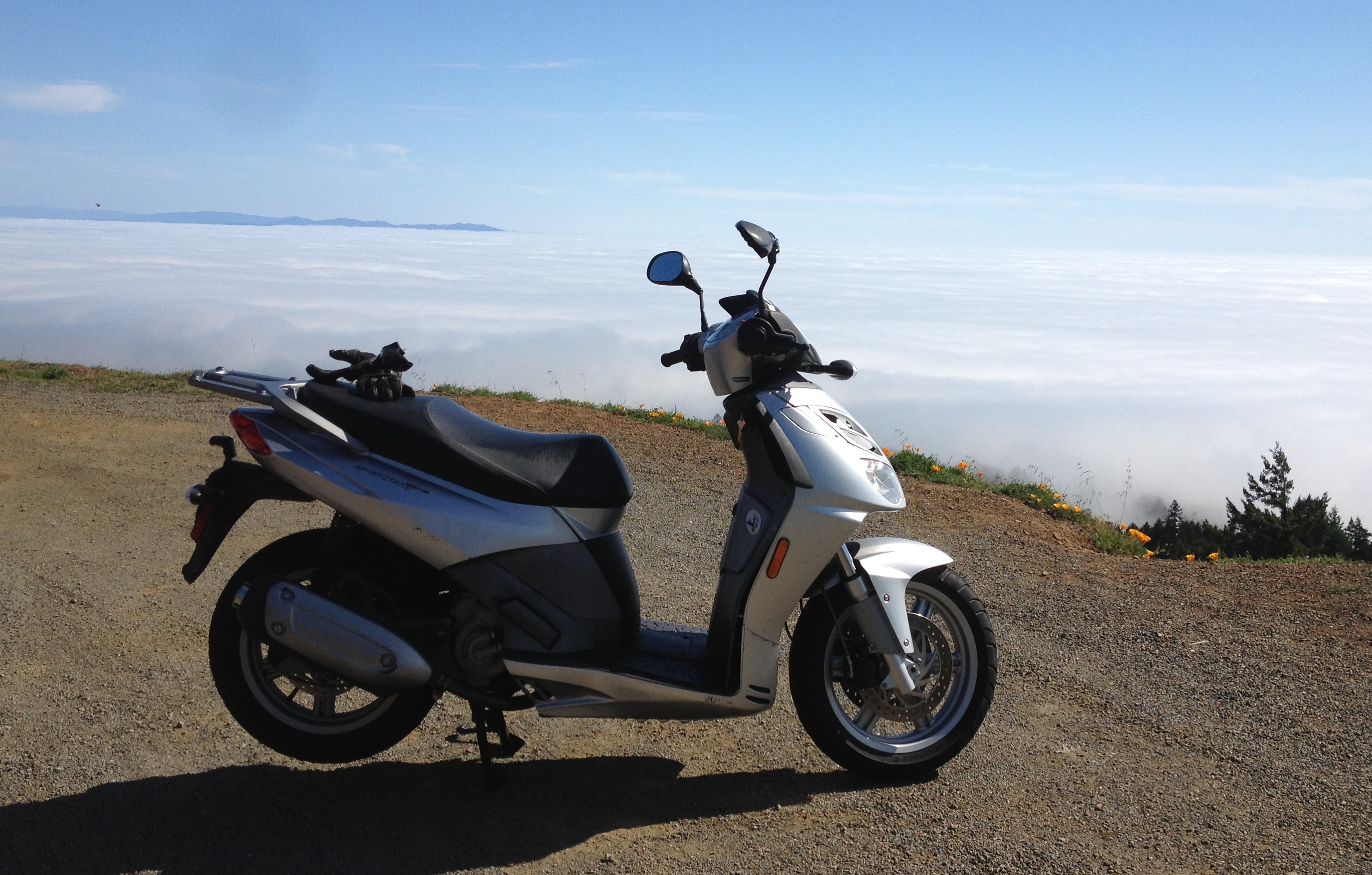
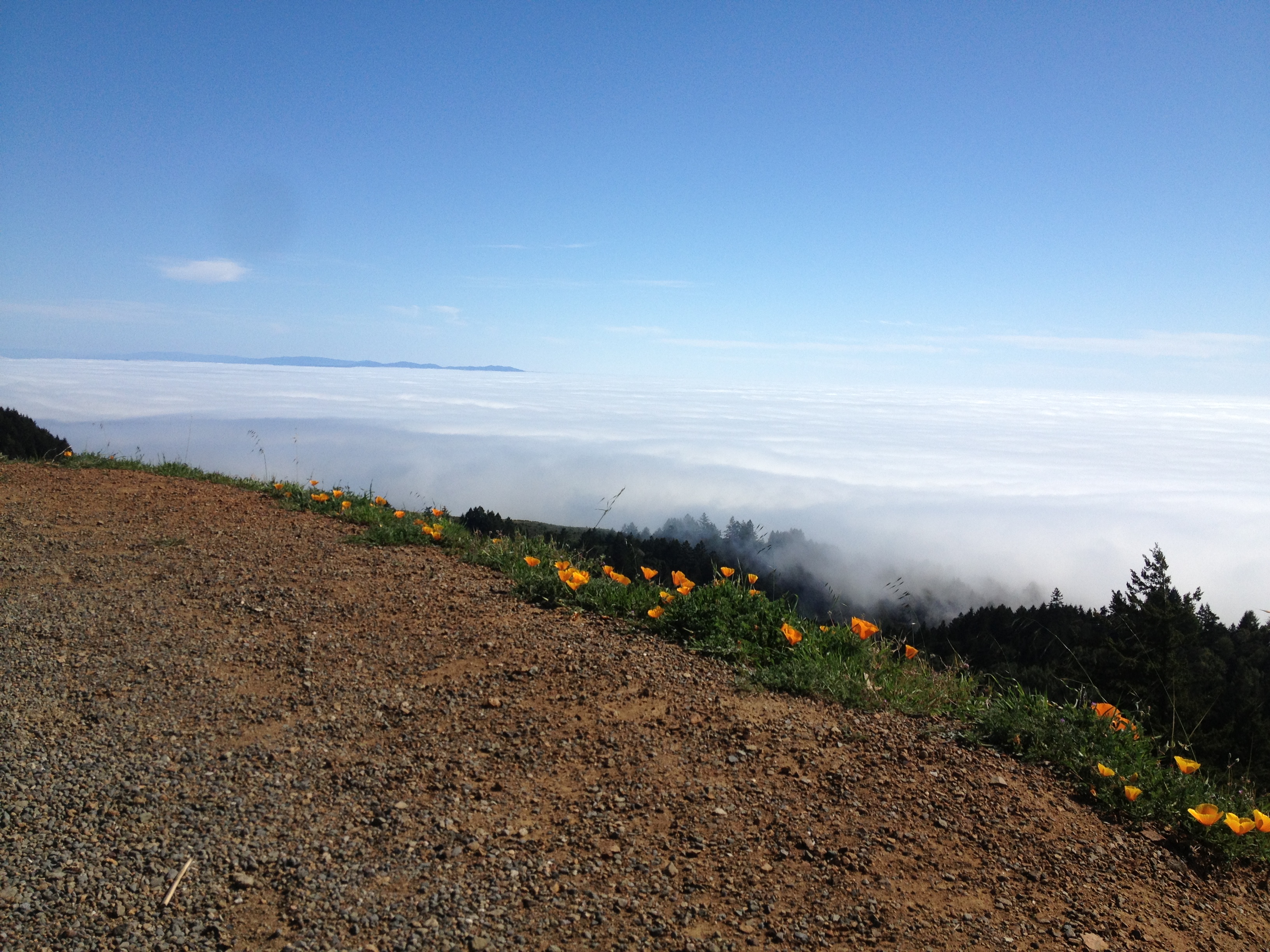
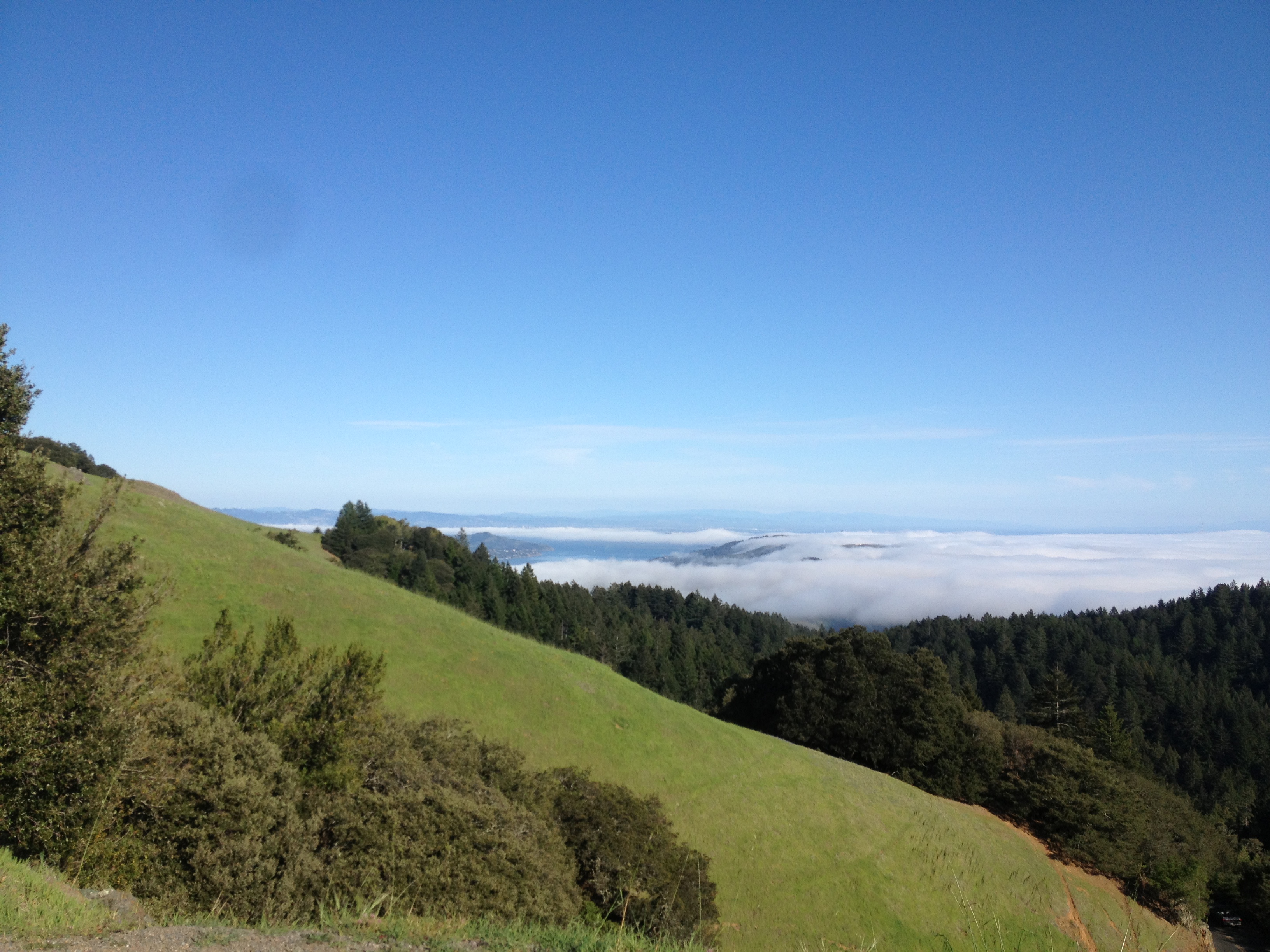
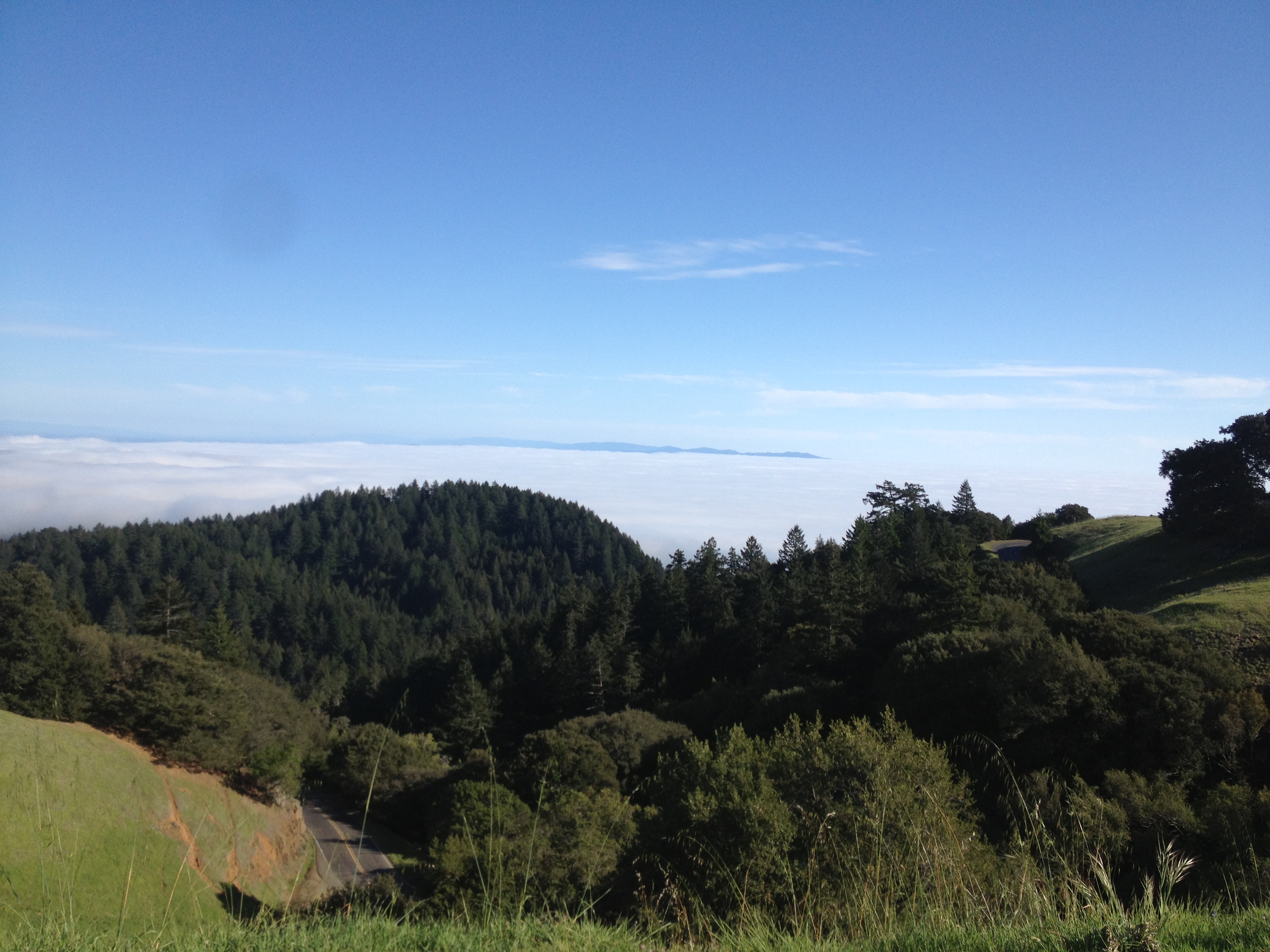
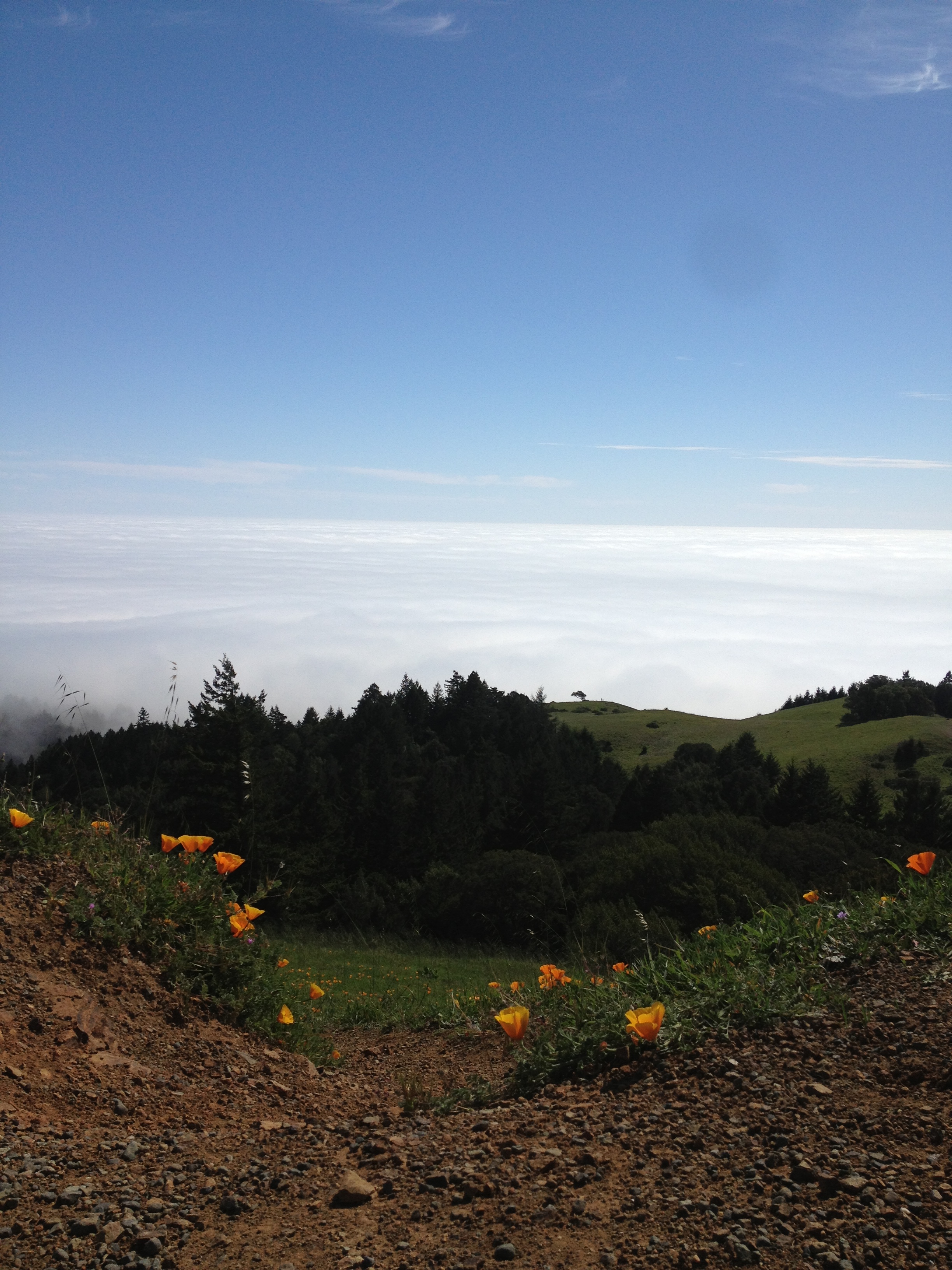
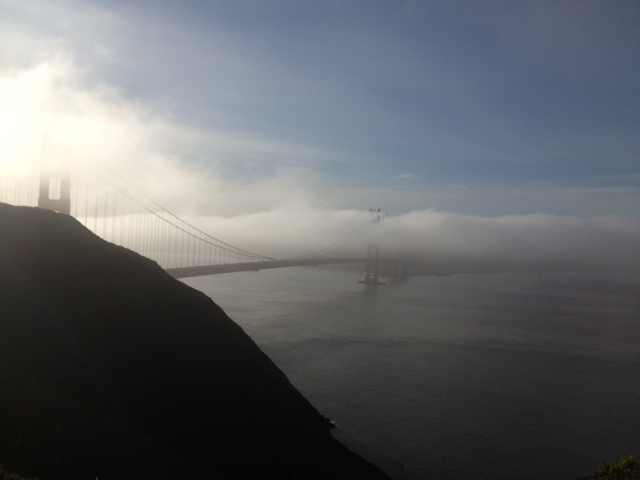
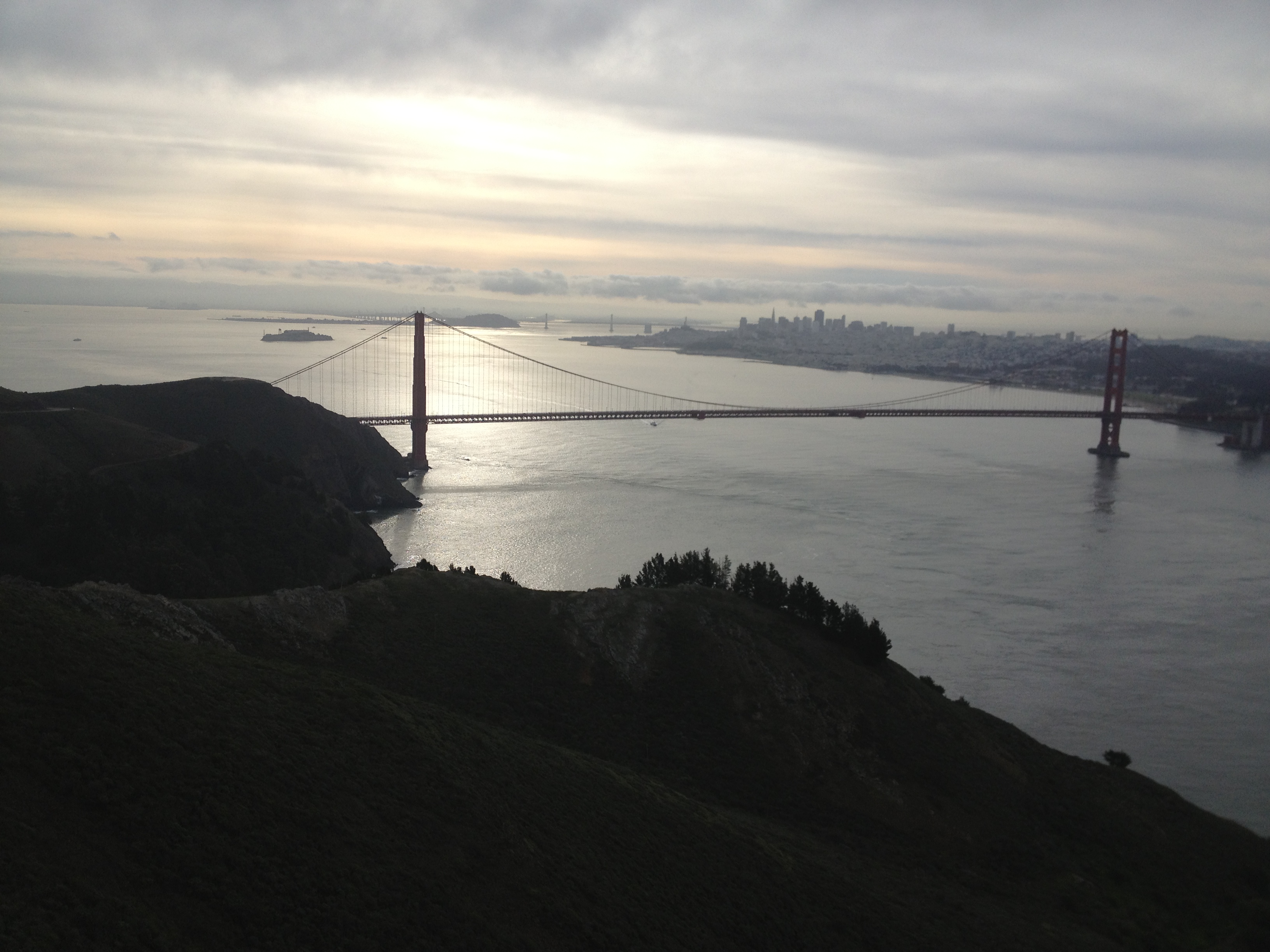
Wow cannot believe how fast this year is flowing by.  Today’s first found me on two wheels above the fog, riding through what may be heaven..

Image


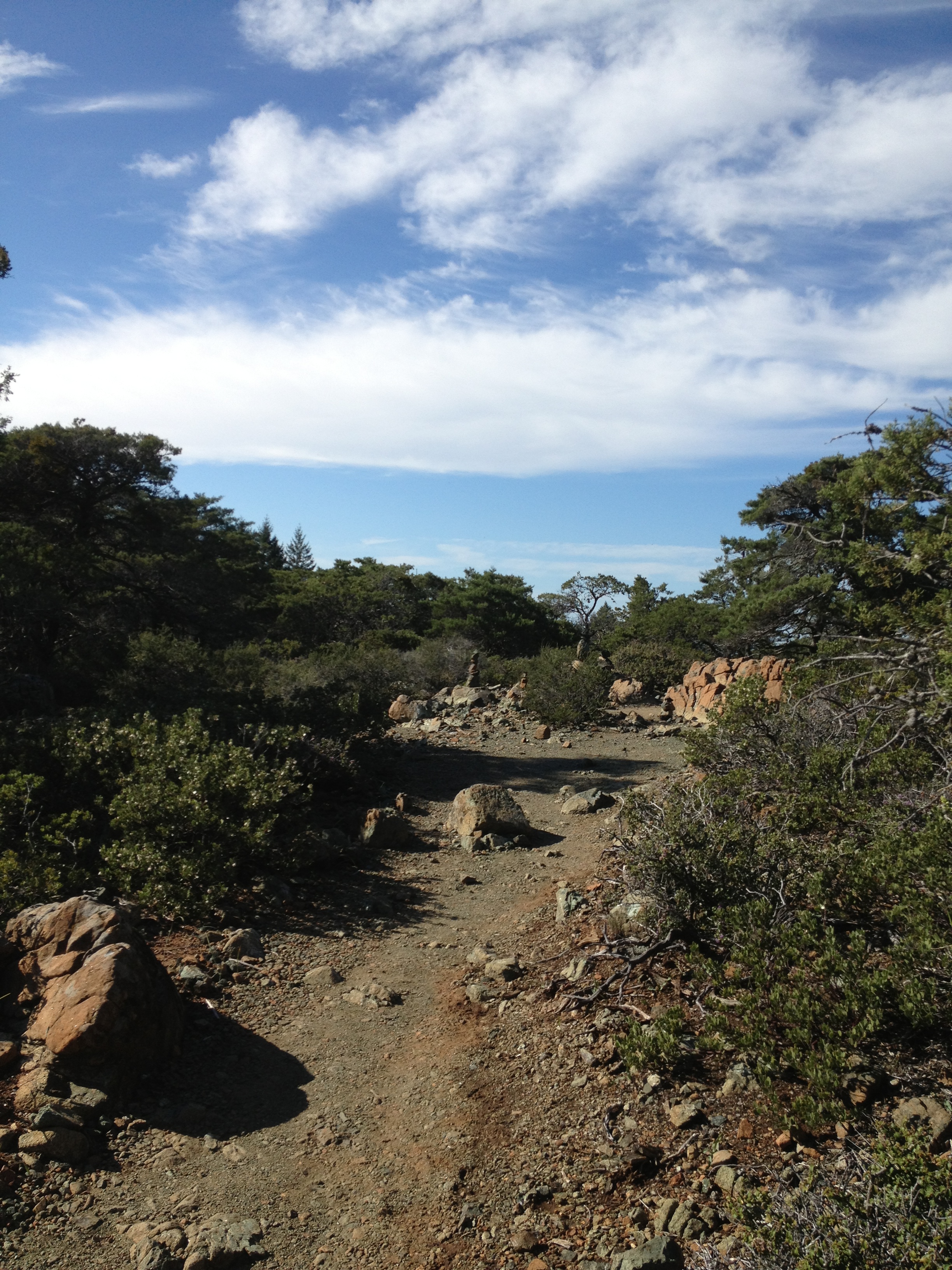
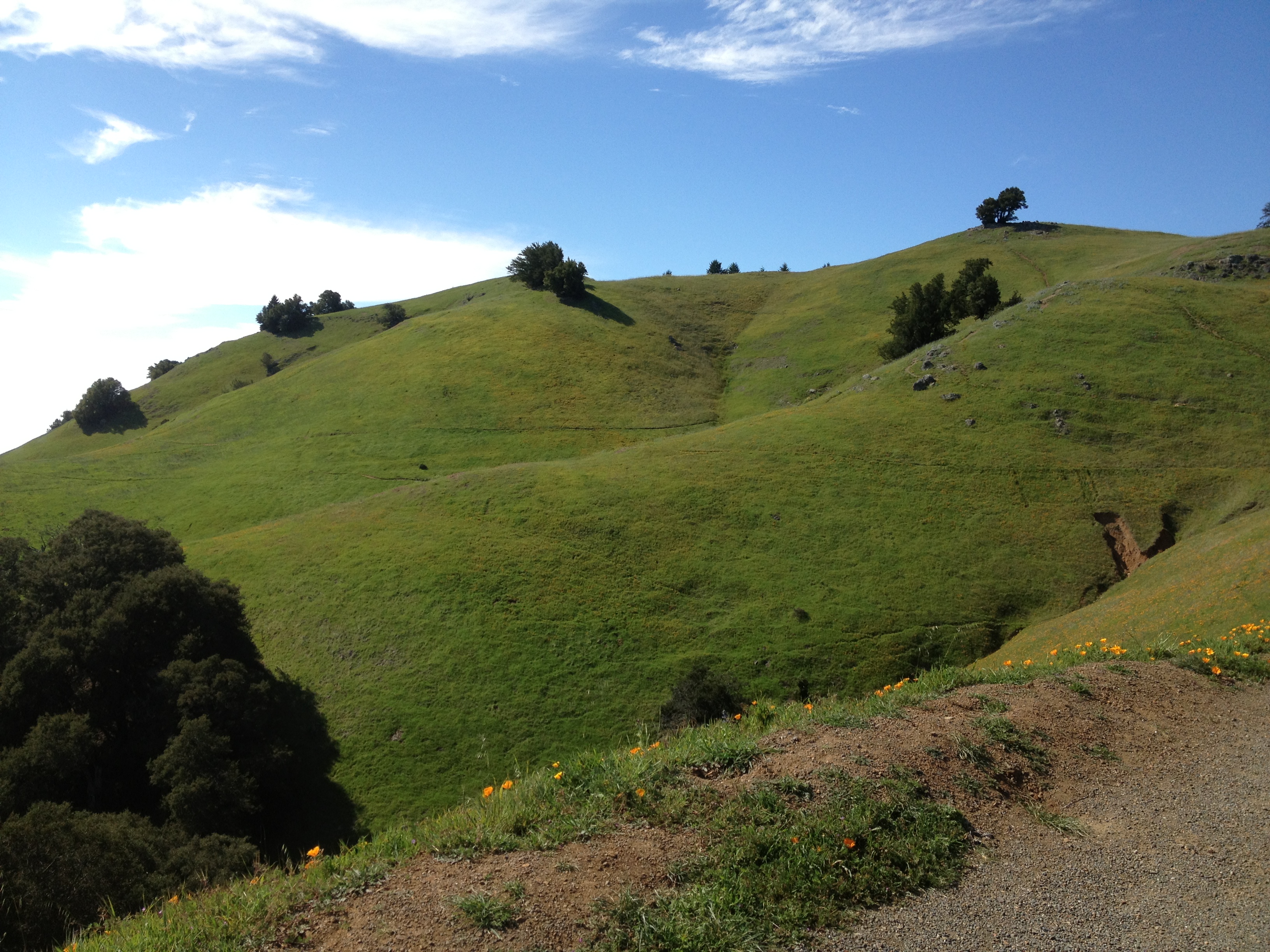
First: Took bike up to Pantoll Road, hopped on foot for Simmon’s trail to Barth’s Retreat Picnic Area.  The path definitely was more amazing than the destination on this journey, overall a divine experience.  As is any time spent on Tam.  Lucky to live here.

ImageImageImage


The best ‘natural healing’ is to dance with nature herself.. it is that simple. get outside.. 🙂


ImageImageImageImageImageImageImage


ImageImageImage

Day 98

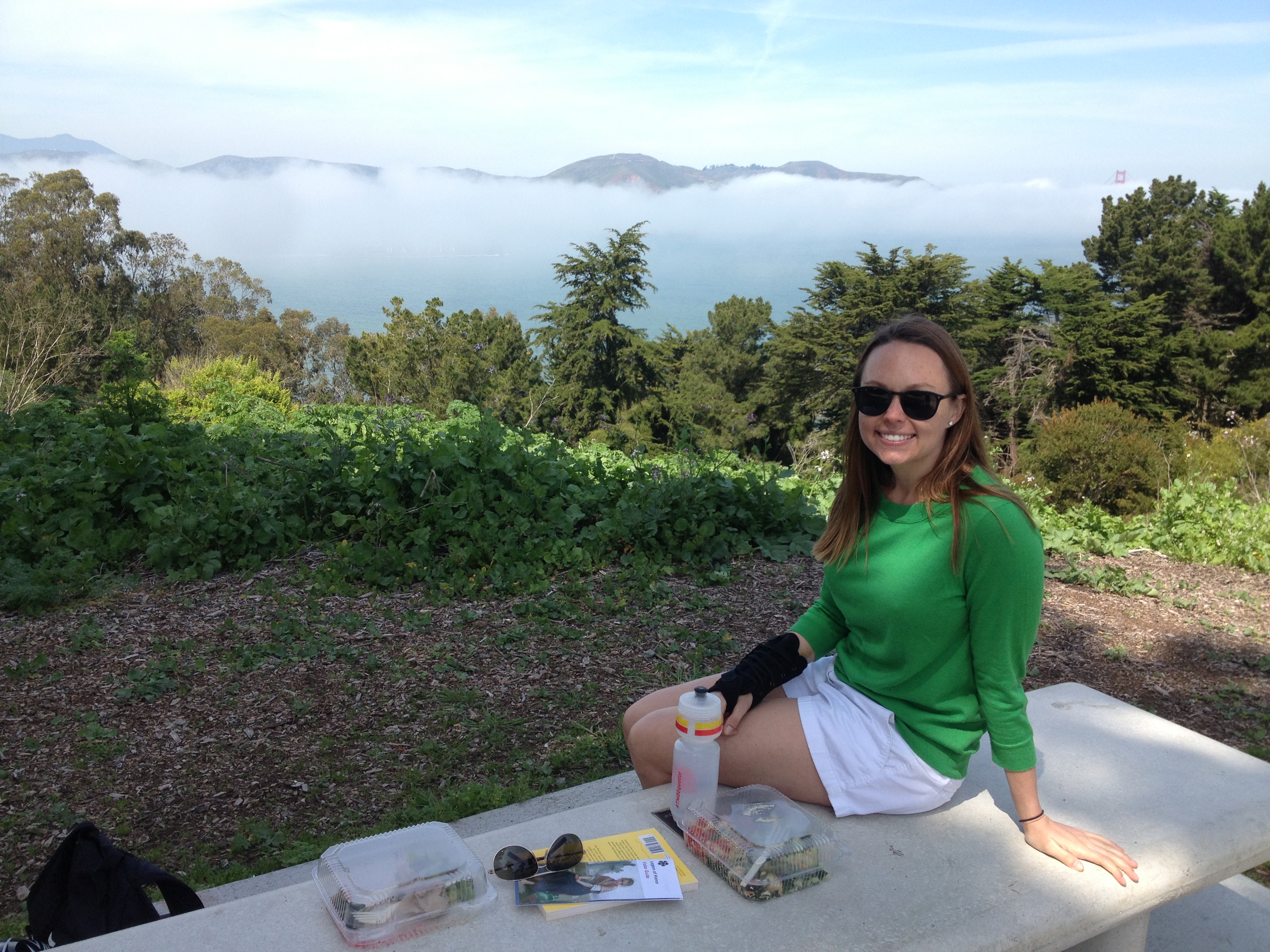
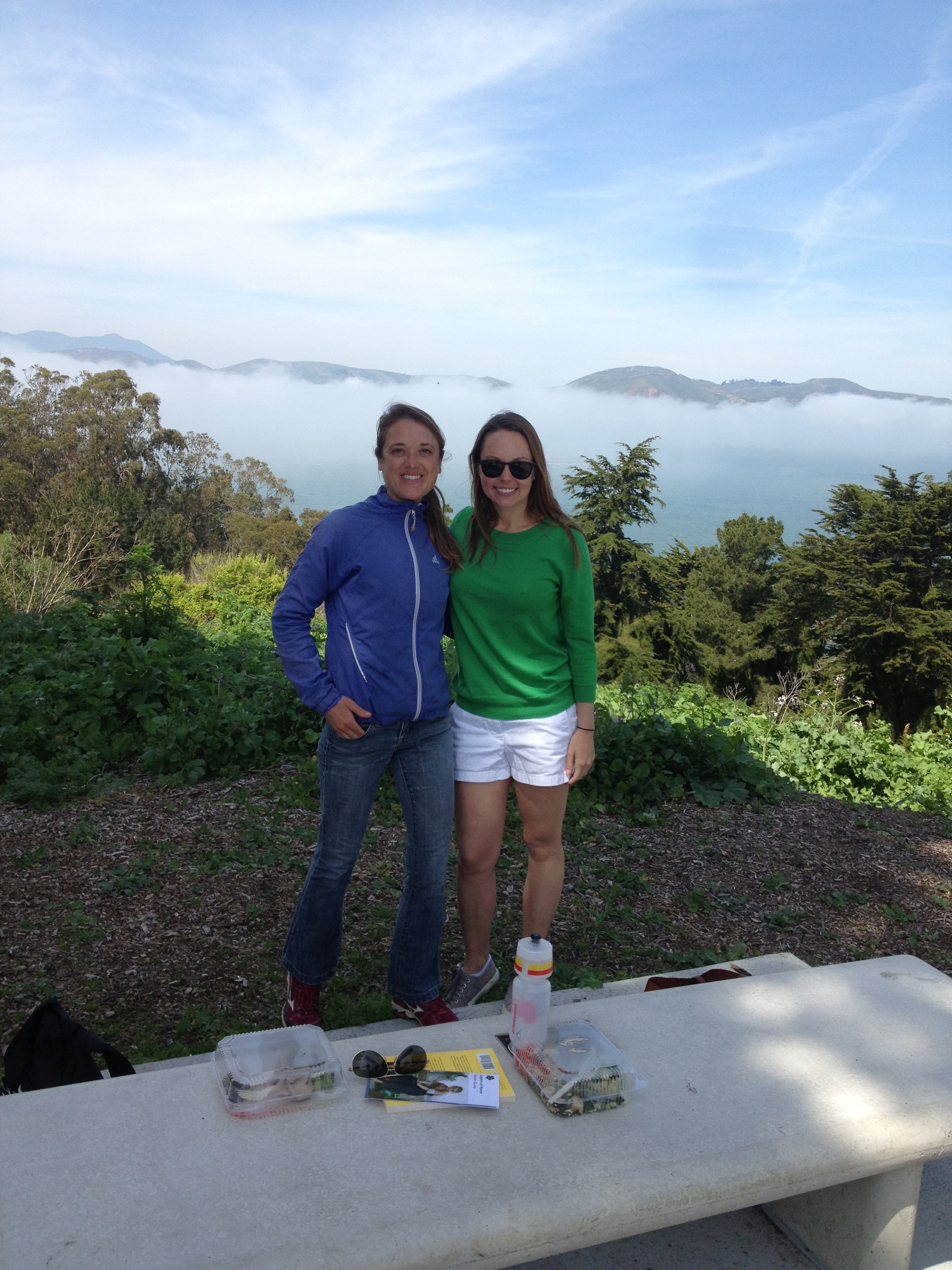
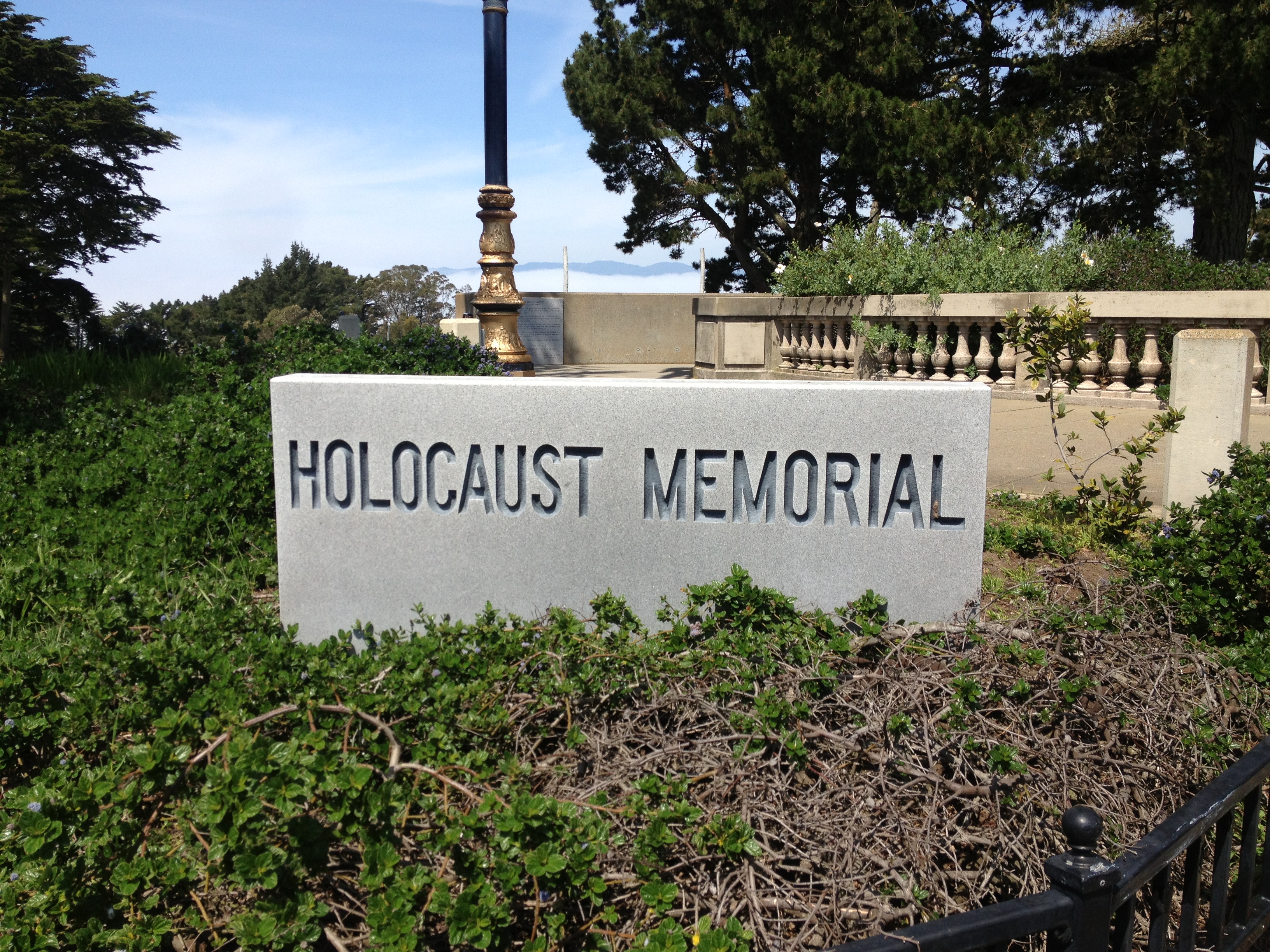
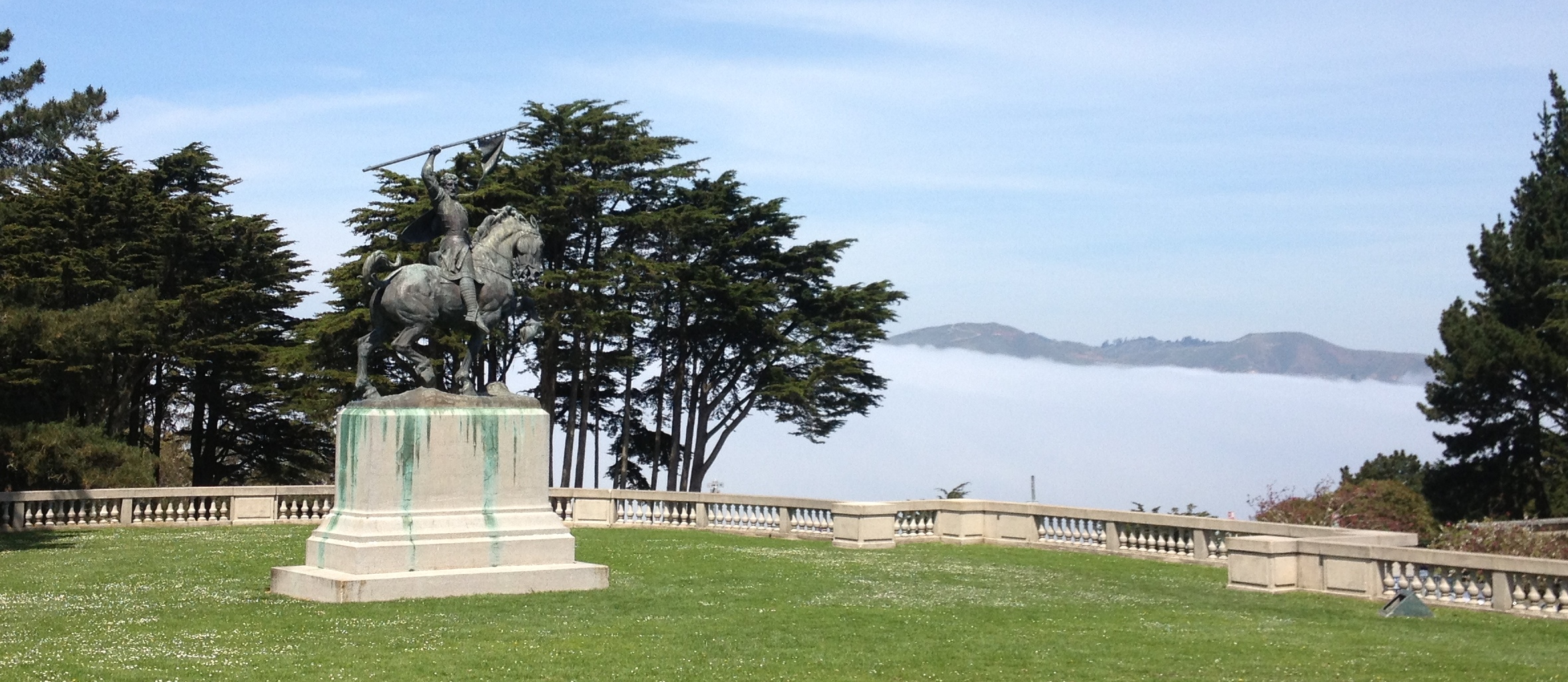
Picnic Lunch with Haley at Legion of Honor and Holocaust Memorial **I think the European’s are living it right.. every lunch break should be a picnic in the park..

Image

Image

HOLOCAUST MEMORIAL: 


Holocaust Memorial at California Palace of the Legion of Honor 
(From Wikipedia, the free encyclopedia)

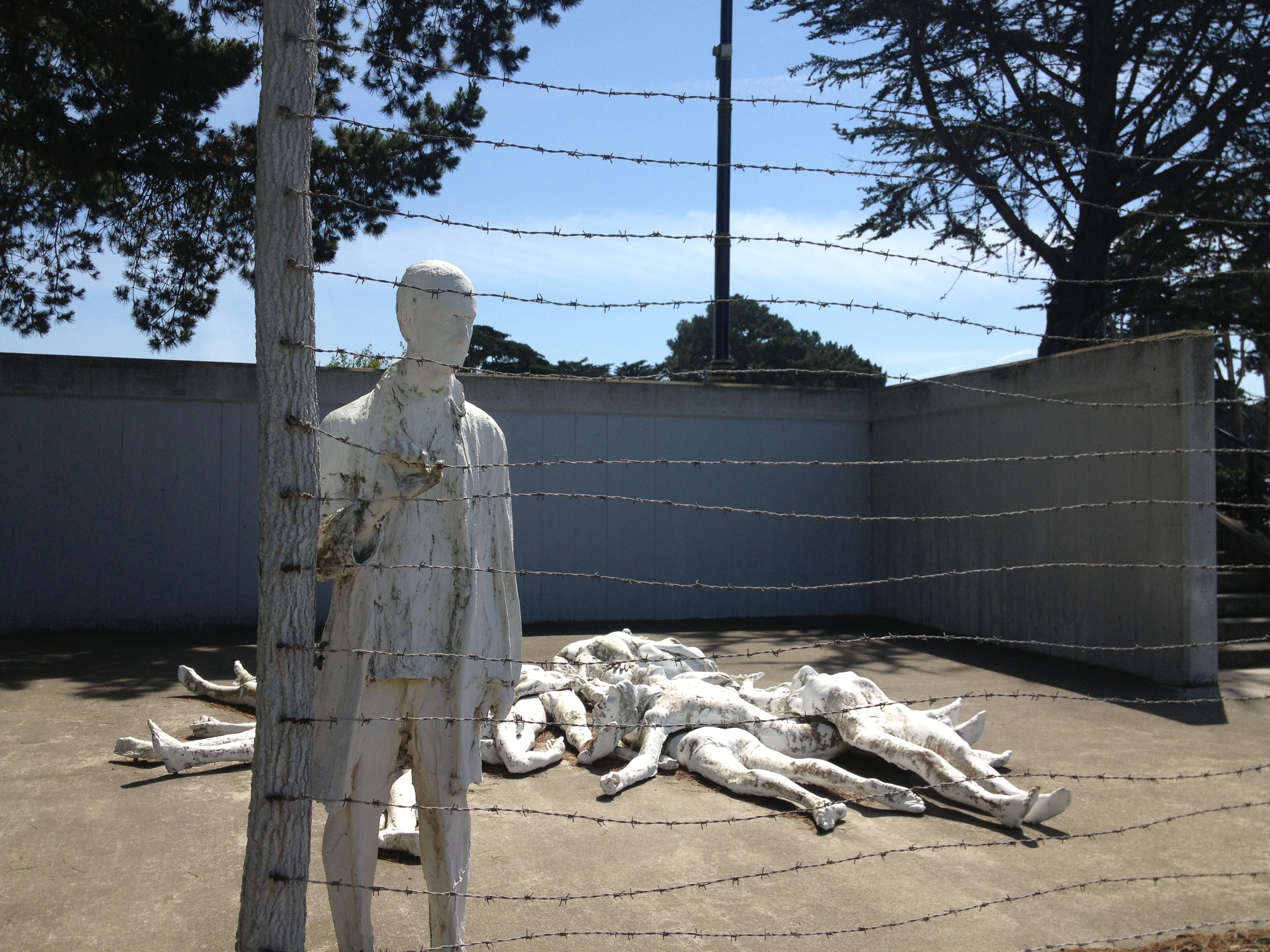
The Holocaust Memorial at California Palace of the Legion of Honor is a Holocaust memorial in San Francisco, California, overlooking the Golden Gate. It was created by artist George Segal out of white painted bronze.

Symbolism

Several of the bodies in the sculpture were designed to be symbolic. One of the bodies resembles Christ, another is of a woman holding an apple. Both symbolize the connection between Jews and Christians. The only standing man is thought to be the sculptor’s representation of Margaret Bourke-White’s famous Life Magazine 1945 photograph of the liberation of Buchenwald.

Vandalism

The memorial was has been vandalized several times. The most common types of vandalism of the memorial are the graffiti of swastikas and the use of splashes of red paint.  Segal indicates that the vandalism is a reminder that antisemitism still exists.

Image

Image

Image

LEGION OF HONOR: 

Image

Image

Image


History of the Legion of Honor

In a statement delivered to the Board of Park Commissioners on 5 January 1920, Adolph B. Spreckels declared it was the purpose of “my wife and myself to contribute to the beautification of our native city something not only beautiful in itself, but also something devoted to patriotic and useful ends: something which might be dedicated as a suitable memorial to our brave boys who gave their lives to their country in the Great War, and also lend itself, as a home of art and historical treasures, to promoting the education and culture of our citizens, and especially the rising and coming generations.”

High on the headlands above the Golden Gate—where the Pacific Ocean spills into San Francisco Bay—stands the California Palace of the Legion of Honor, the gift of Alma de Bretteville Spreckels to the city of San Francisco. Located in Lincoln Park, this unique art museum is one of the great treasures in a city that boasts many riches. The museum’s spectacular setting is made even more dramatic by the imposing French neoclassical building.

In 1915 Alma Spreckels fell in love with the French Pavilion at San Francisco’s Panama Pacific International Exposition. This pavilion was a replica of the Palais de la Légion d’Honneur in Paris, one of the distinguished 18th-century landmarks on the left bank of the Seine. The Hôtel de Salm, as it was first called, was designed by Pierre Rousseau in 1782 for the Prince of Salm-Krybourg. Completed in 1788, it was not destined to serve long as a royal residence; the German prince, whose fortunes fell with the French Revolution, lived there only one year. Madame de Staël owned it briefly before Napoleon took it over in 1804 as the home of his newly established Légion d’Honneur, the order he created as a reward for civil and military merit.

Alma Spreckels persuaded her husband, sugar magnate Adolph B. Spreckels, to recapture the beauty of the pavilion as a new art museum for San Francisco. At the close of the 1915 exposition, the French government granted them permission to construct a permanent replica, but World War I delayed the groundbreaking for this ambitious project until 1921. Constructed on a remote site known as Land’s End—one of the most beautiful settings imaginable for any museum—the California Palace of the Legion of Honor was completed in 1924, and on Armistice Day of that year the doors opened to the public. In keeping with the wishes of the donors, to “honor the dead while serving the living,” it was accepted by the city of San Francisco as a museum of fine arts dedicated to the memory of the 3,600 California men who had lost their lives on the battlefields of France during World War I.

Architect George Applegarth’s design for the California Palace of the Legion of Honor was a three-quarter-scaled adaption of the 18th-century Parisian original, incorporating the most advanced ideas in museum construction. The walls were 21 inches thick, made with hollow tiles to keep temperatures even, and the heating system design eliminated aesthetically offensive radiators and cleansed the air that filtered through it with atomizers to remove dust. Seven thousand cubic yards of concrete and a million pounds of reinforcing bar went into the structure, but an assessment performed in the 1980s showed that the landmark building needed to be made seismically secure. Between March 1992 and November 1995—its seventy-first anniversary—the Legion underwent a major renovation that included seismic strengthening, building systems upgrades, restoration of historic architectural features, and an underground expansion that added 35,000 square feet. Visitor services and program facilities increased, without altering the historic façade or adversely affecting the environmental integrity of the site. The architects chosen to accomplish this challenging feat were Edward Larrabee Barnes and Mark Cavagnero.

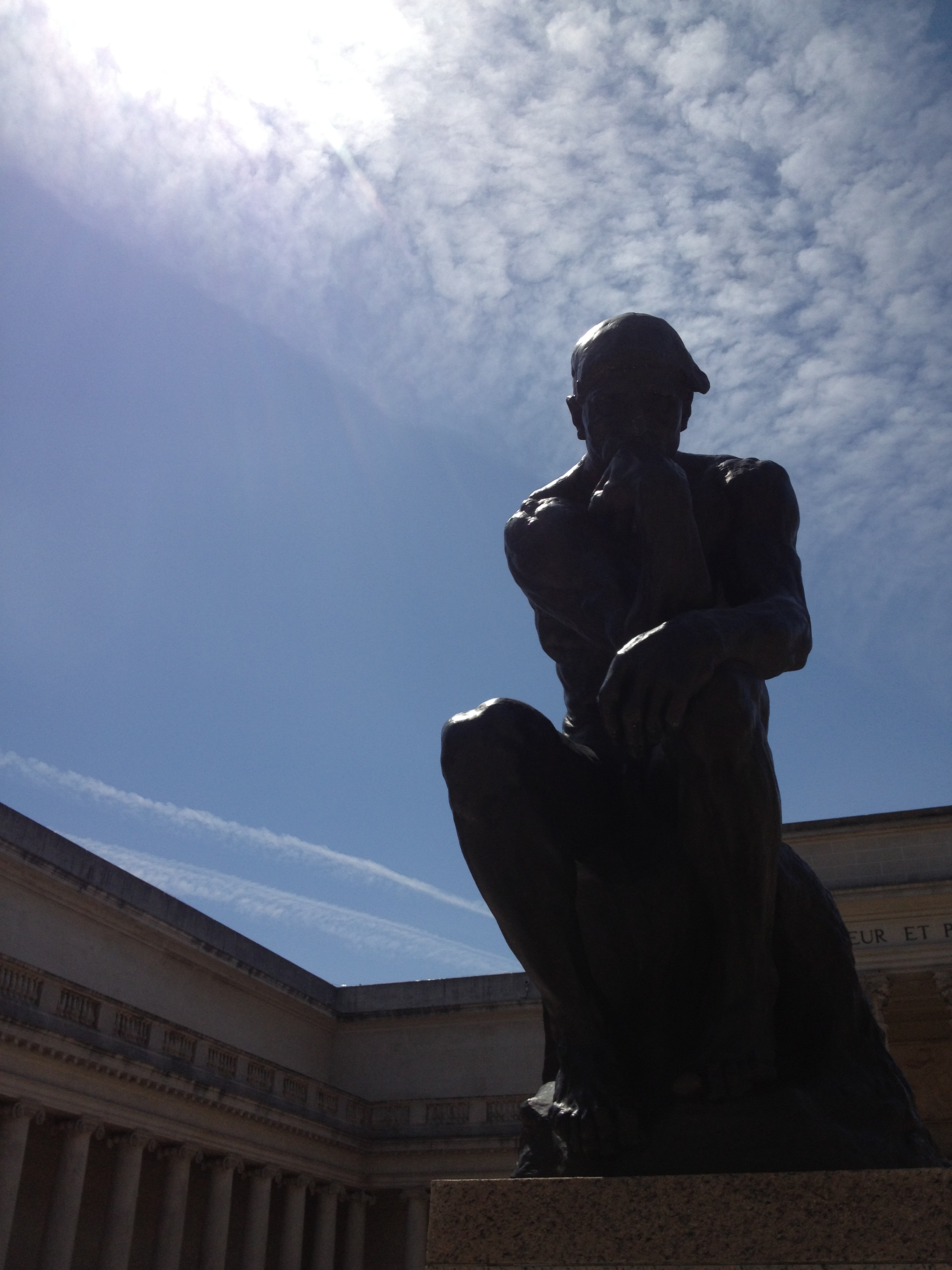
The 1995 renovation realized a 42 percent increase in square footage, including six additional special exhibition galleries set around the pyramid skylight visible in the Legion courtyard. The glass pyramid sits atop the Rosekrans Court and special exhibition galleries located below. It is a key second focal point in a formal courtyard otherwise focused solely on Auguste Rodin’s The Thinker, as well as a light and tensile counterpoint to the heavy stone materials of the Court of Honor, lending scale and interest. The museum also provides services for scholars as well as visitors. On the lower level, the paper conservation laboratory, which is internationally recognized for its innovative and high quality work, doubled in size during the renovation. A print study room, also added during renovation, allows close examination of works on paper, as well as access to the collection by means of four computerized work stations. Similarly, a porcelain study room adjacent to the museum’s porcelain gallery gives scholars an opportunity to examine this area of the museum’s collection.

On the lower level, a spacious café provides visitors with a place to eat and relax while enjoying dramatic views of the Pacific Ocean and beyond. Across from the café, the museum store features a wide selection of art posters and books, notecards, jewelry, and other unique products inspired by the museum’s collections.

Day 97

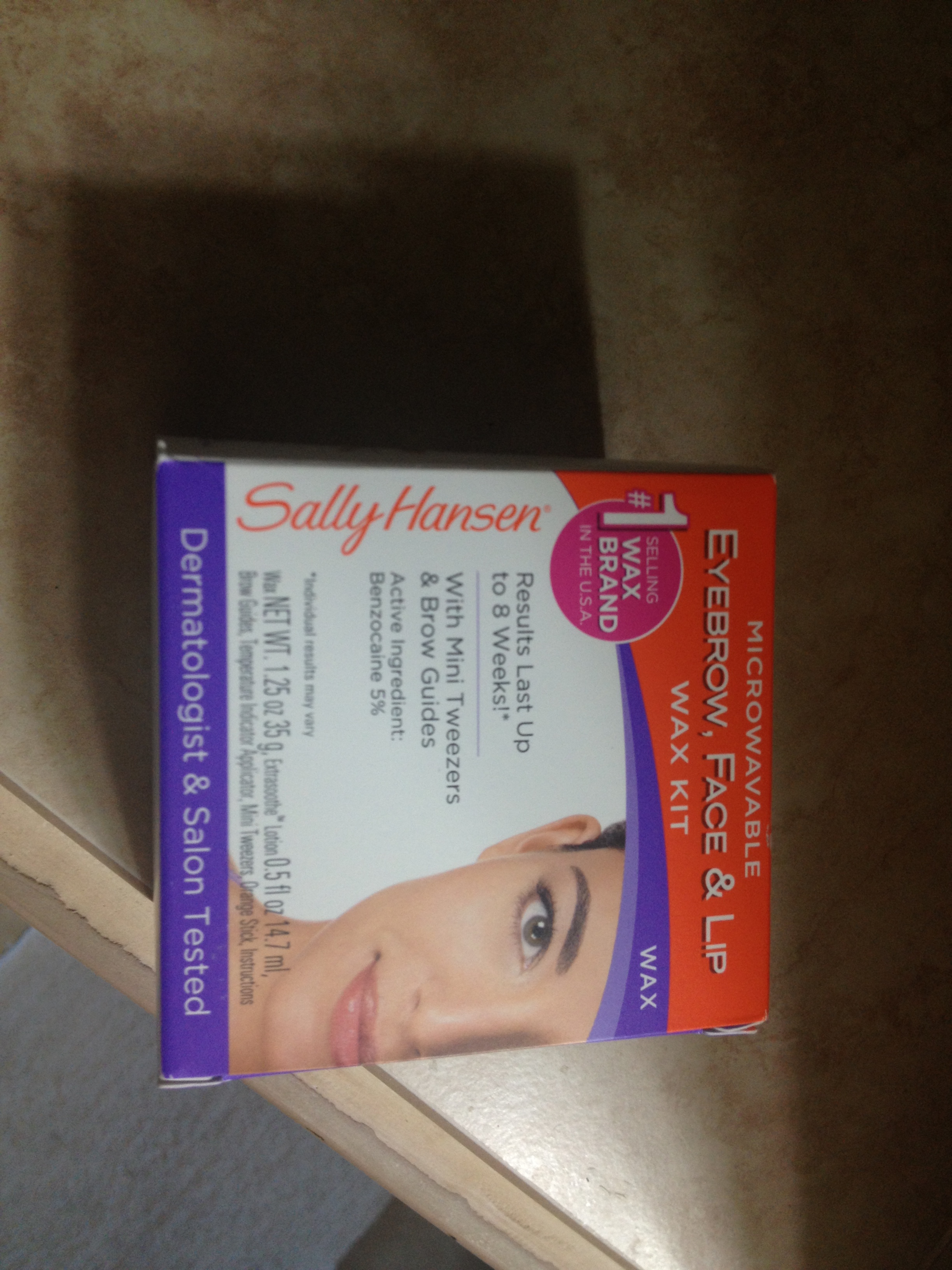
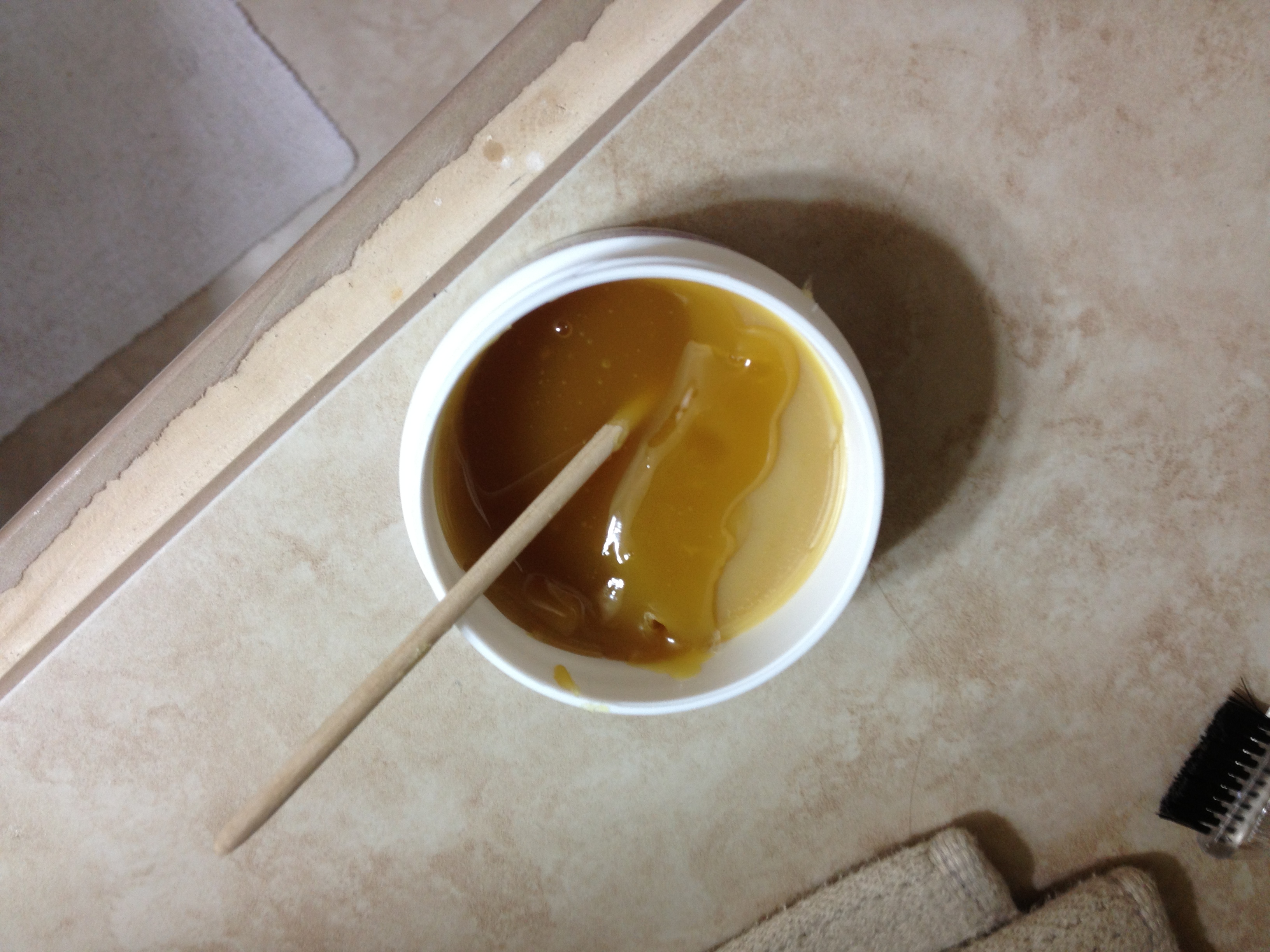
ImageDefinite FIRST!  Waxed my own eyebrows.  Not as painful as anticipated and saved $14 buckaroos.  DIY 🙂

IMG_2089

ImageImagekey points: *brush wax on in direction of hair growth, use a SMALL instrument for this! (less is more for sure). *you can cut an old t-shirt into little bits to use as strips. *when you pull the strip off be sure to hold your skin taught and pull in OPPOSITE direction of hair growth. *Pull quickly 🙂


Image

Day 96. Random connections are the best reminders

I was on my way home from picking up supplies for today’s first when plans were thwarted by an impulse to pull over and walk along the water.  Shortly after, I found myself immersed in deep conversation with a complete stranger, right away friend.  

Really the magical moments in life come when our hearts can remain in an opened state. When we can let go of ‘self’ and ‘other’ and live in tune with the energy that links us to everything and everyone we encounter. 

While the wine and cheese relaxed my body as the evening set in, the conversation with Dawn about existence and death – two things I dwell entirely too much on! – soothed my soul.  To understand and be understood.  I believe that may be the simple answer to remaining grounded for those seeking a path to truth.   “experiment with becoming comfortable with uncertainty, then see what happens.  What we call uncertainty is actually the open quality of any given moment.  When we can be present for this openness – as it is always present for us – we discover that our capacity to love and care for others is limitless.” 
 

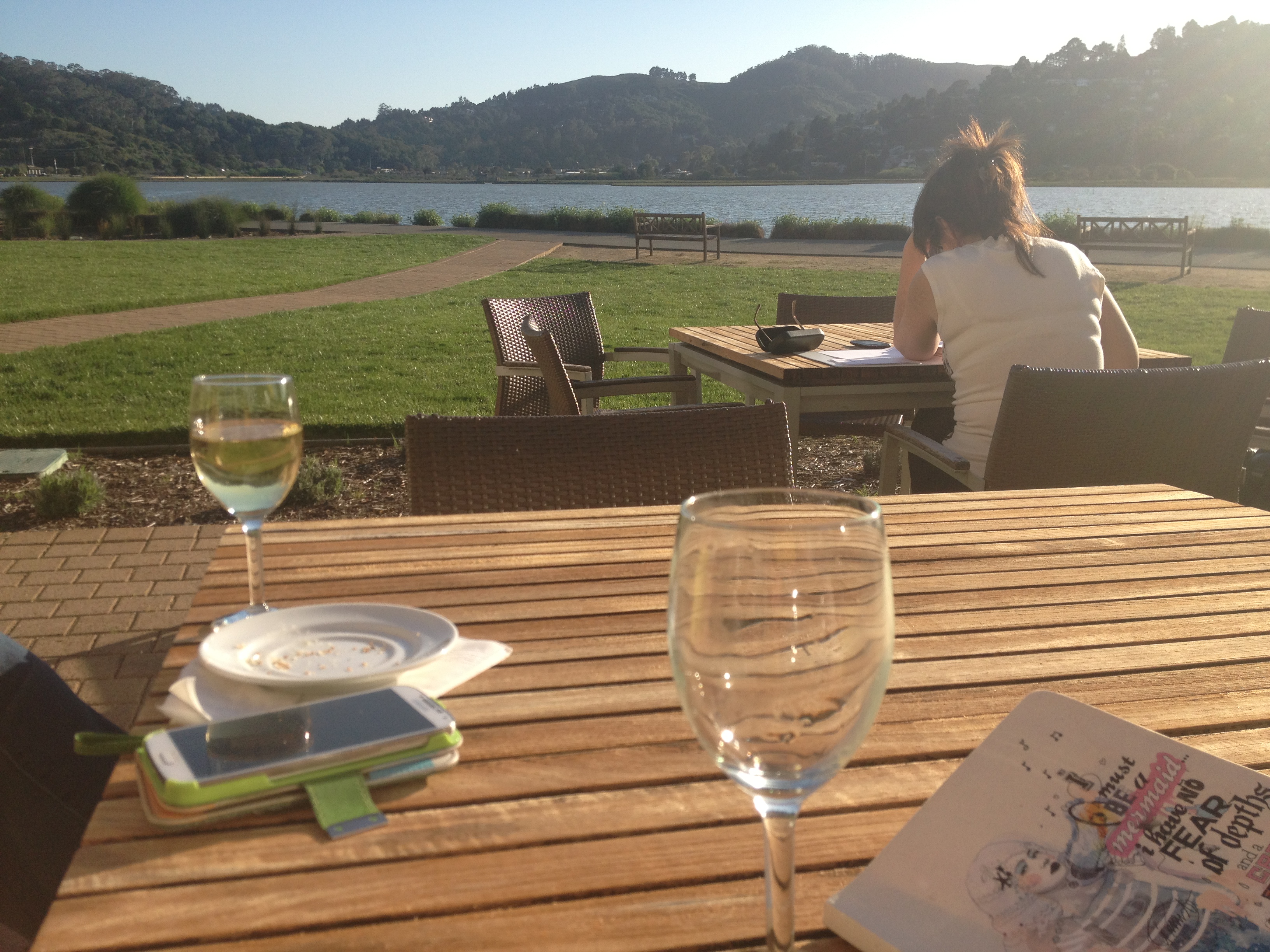
Today’s first: Glass of wine on the water at Acqua

Image


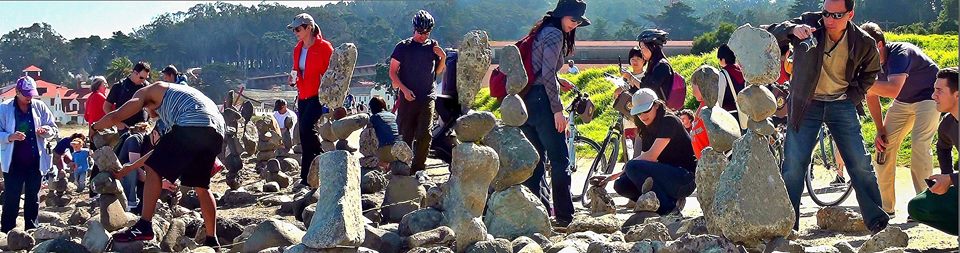
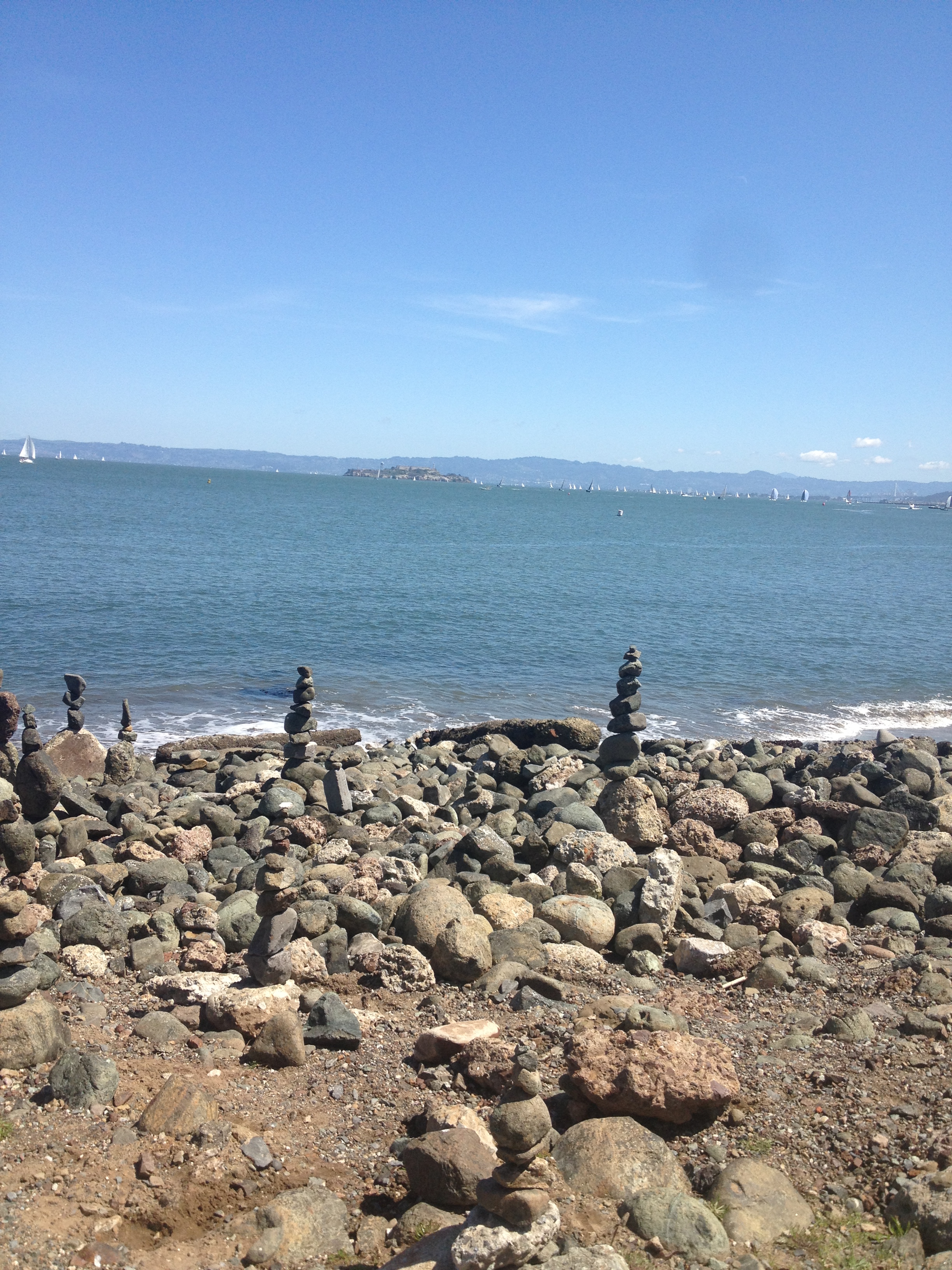
Day 95 Rocks in Balance

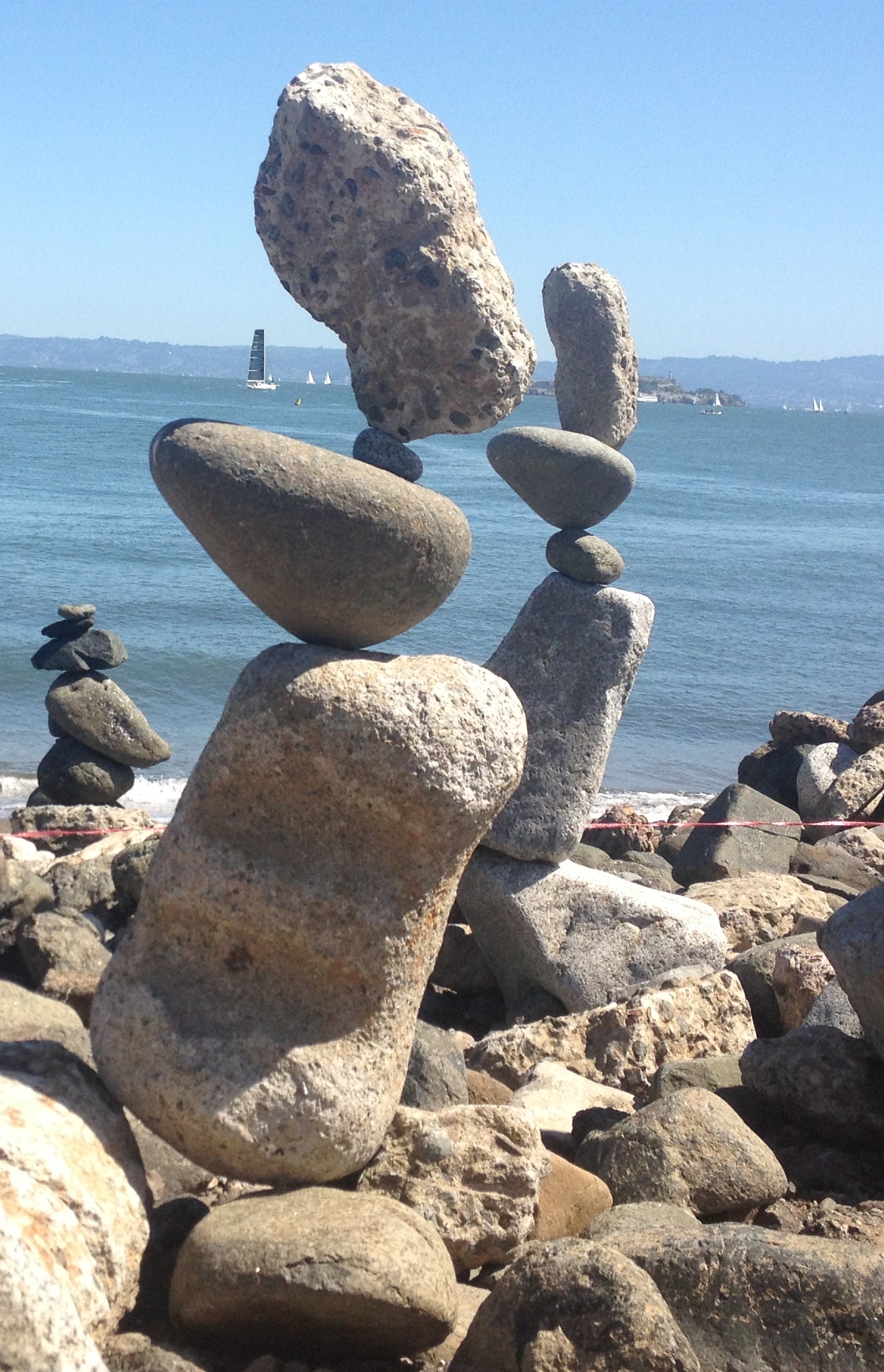
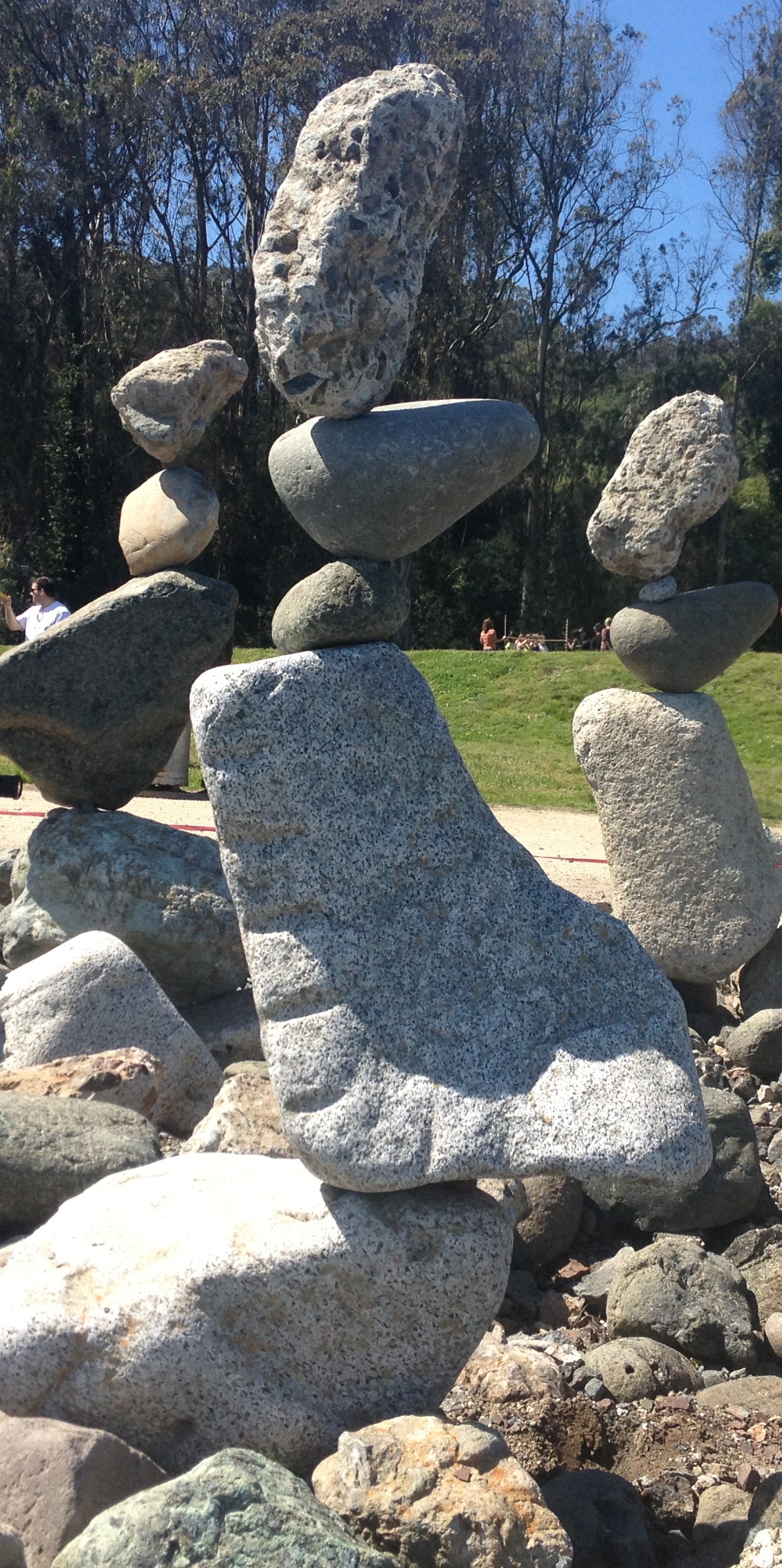
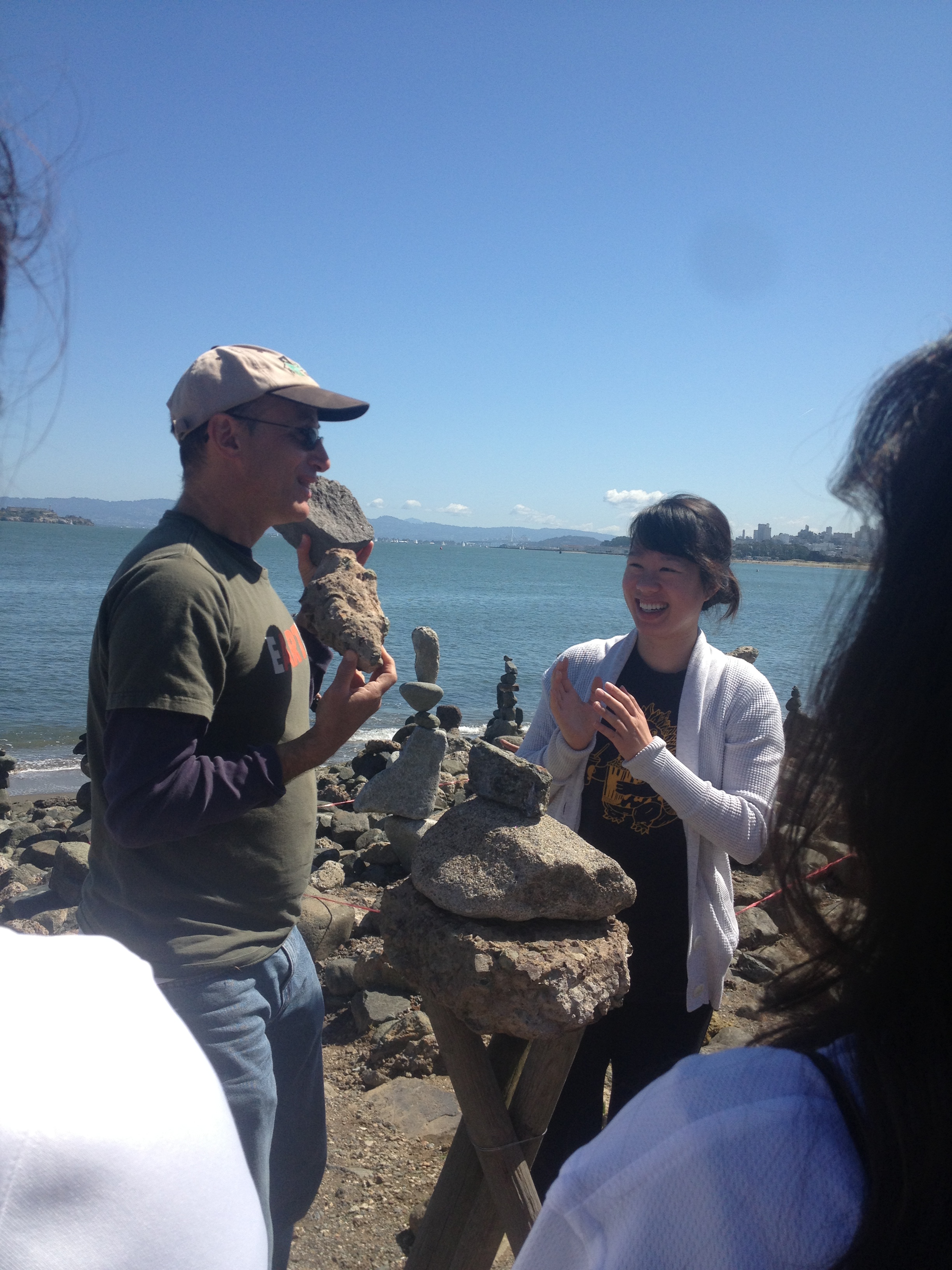
Rock Balancing Gathering San Francisco – 4th edition, April 2014 with Pro Zach Pine

Image


What a fun way to spend an hour outside, meeting folks from all over the bay and learning a new skill.. the organizer and artist was so generous with his time and knowledge.  Key was to find a ‘tripod’ within each rock and then balance that tripod on the right slope. (makes much more sense in person :))

more about Zach: http://www.naturesculpture.com 

ImageImageImageImage


ImageImageImageImage


Day 93. Always more details to soak in even along a familiar path..

Image

(have soaked in this view on my road bike trekking up Hawk Hill from the Golden Gate..morning was a neat for layer during climb,

clear skies on the descent..)

Image

Took five minutes today at the top of my Marin Headlands ride to read a sign I have cycled by plenty of times. As I stared out at the Pacific I felt so beautifully INsignificant and a tiny part of something so incredible. Get outside often to do something that makes you feel small – helps ease that stress 😉
The day’s FIRST:  read the signs up on top of the headlands that I would if I were a tourist visiting my town.  Love acting as 

if as a local, the things we learn.. 

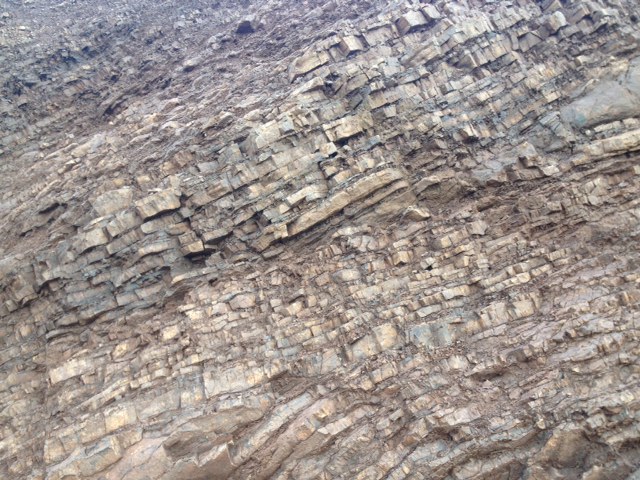
What I re-learned this morning was that the Headlands on both sides of the Golden Gate Bridge are comprised of ancient oceanic rock that once resided at the bottom of the Pacific Ocean. Scientists believe that the radiolarian ‘chert’ (see description below) was forced to its present position over millions of years by a collision of the continental and Pacific plates.

“Chert”: mostly composed of radiolaria fossils, so its layers tell us the origin of the rocks. It takes around 20,000 years for one inch of chert to develop. — The fossils in the headlands chert are tropical species from the equatorial Pacific (again, lived millions of years ago, pretty cool).

photo (88)

***Each centimeter of chert contains 10,000 years of sedimentation. The folding/twisting patterns within the layers were caused by the upward thrust and rotation of the rock as the pacific plate gradually forced the headlands up out of the sea.