Day 30- Bubble Yum in SLO

img_7142
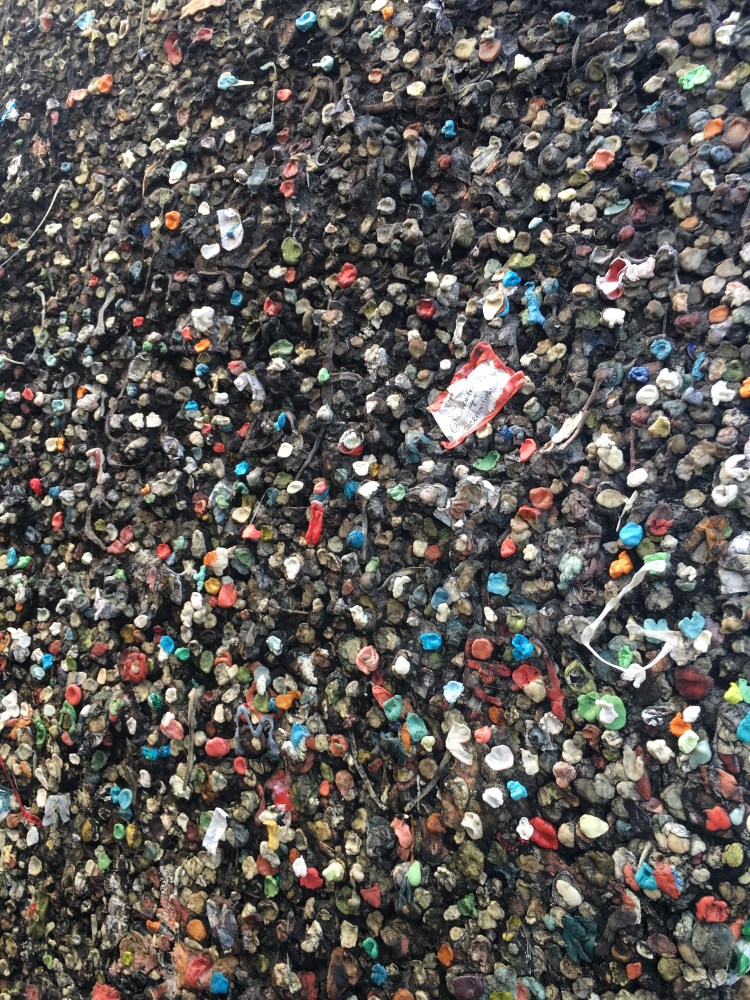
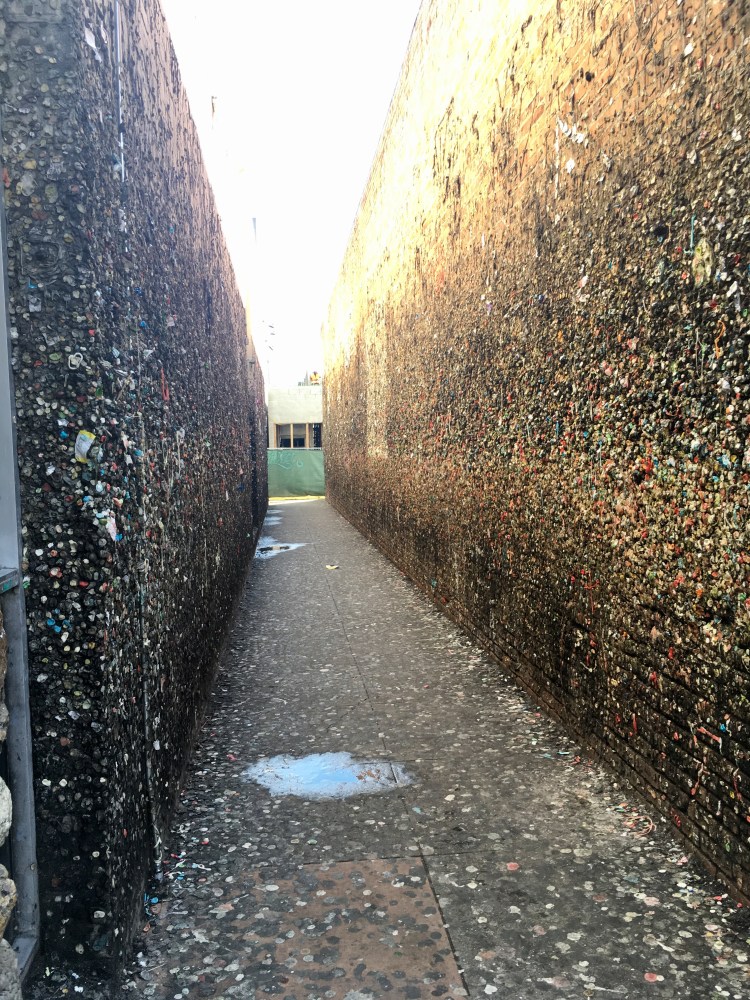
Today’s First – Walked down Bubblegum Alley in San Luis Obispo, CA

This was awesome! Thought it was a joke when I read about it online.
(btw there is a candy shop located conveniently 1 block away on Higuera should you, like myself, not be one to carry bubblegum)

“Bubblegum Alley is a tourist attraction in downtown San Luis Obispo, California, known for its accumulation of used bubble gum on the walls of an alley. It is a 15-foot (4.6 m) high and 70-foot (21 m) long alley lined with chewed gum left by passers-by. It covers a stretch of 20 meters in the 700 block of Higuera Street in downtown San Luis Obispo

According to the San Luis Obispo Chamber of Commerce and Downtown Business Improvement Association, the origin of the gum is “a little sketchy”. Some historians believe that the tradition of the alley started after WWII as a San Luis Obispo High School graduating class event. Others believe it started in the late 1950s, as rivalry between San Luis Obispo High School and California Polytechnic State University (Cal Poly) students. By the 1970s, Bubblegum Alley was well established. When shop owners complained that it was “unsanitary and disgusting”, the alley underwent a full cleaning. The gum graffiti survived two full cleanings in the 1970s. In 1996, the BIA unsuccessfully attempted to have another alley cleaning.”

img_7134img_7132img_7131img_7140img_7129

Day 29 – Santa Barbara Sunset

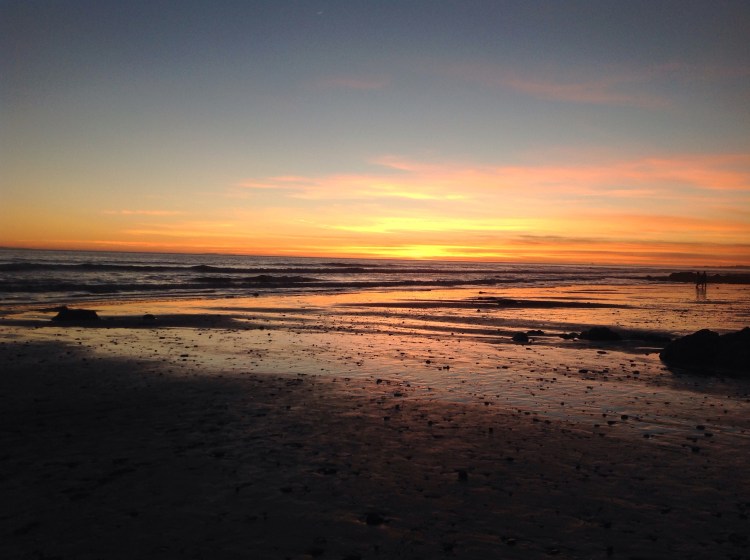
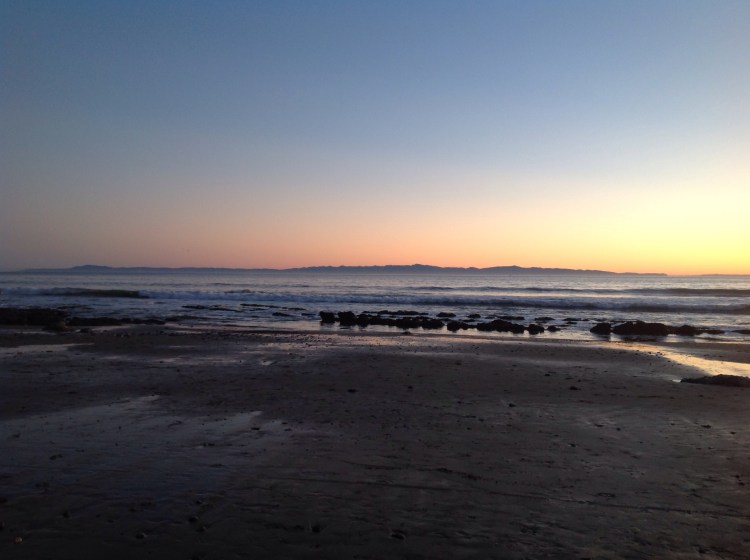
Today’s first  – watched the sunset (tailend of it!) from Arroyo Burro State Beach in Santa Barbara (aka Hendry’s beach by local residents).  It was one of those sandy sunsets that enlivens the soul, wish I had pictures to do it justice.  But you had to be there.. romanced by the smell of the sea, the salty air on the lips & the music in the waves.. AH moments like these the make one BELIEVE!

Grateful to my gut instinct to cut the trek back north into halves rather than a straight 8 hour drive in the car.   Don’t have to work until 4pm manana, so made so much more sense and I was able to soak in a little SB vibe – added bonus.  I’m staying at an airbnb, the couple who are the hosts are awesome and were so generous to give me a last minute discount when they found out I was from NY (their daughter is in college out there!).  Sometimes the stars just align..

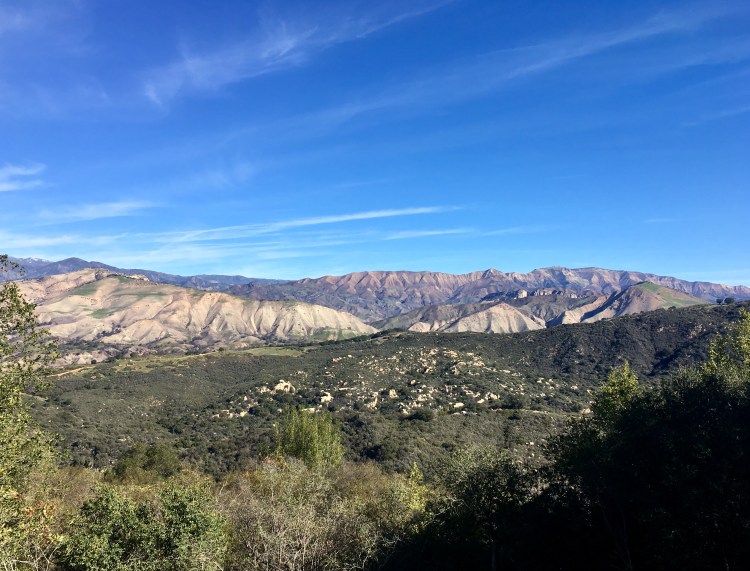
OK, here are a couple of pics.  They pale in comparison to the live experience.. Hope 2017 is treating you all swell!

imageimage

Day 28 – DIY Scrabble Letter Coasters

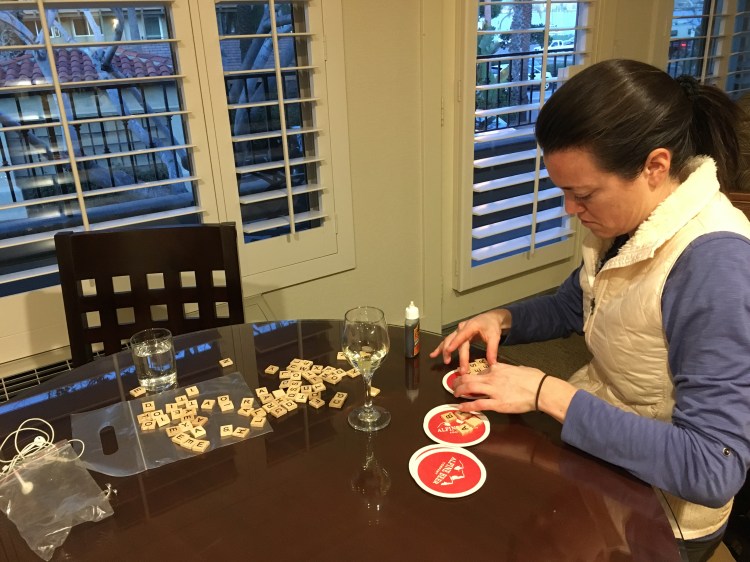
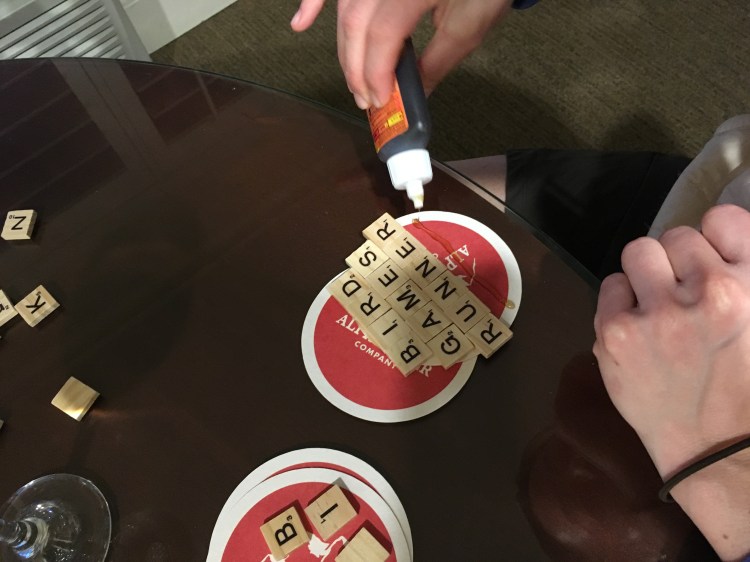
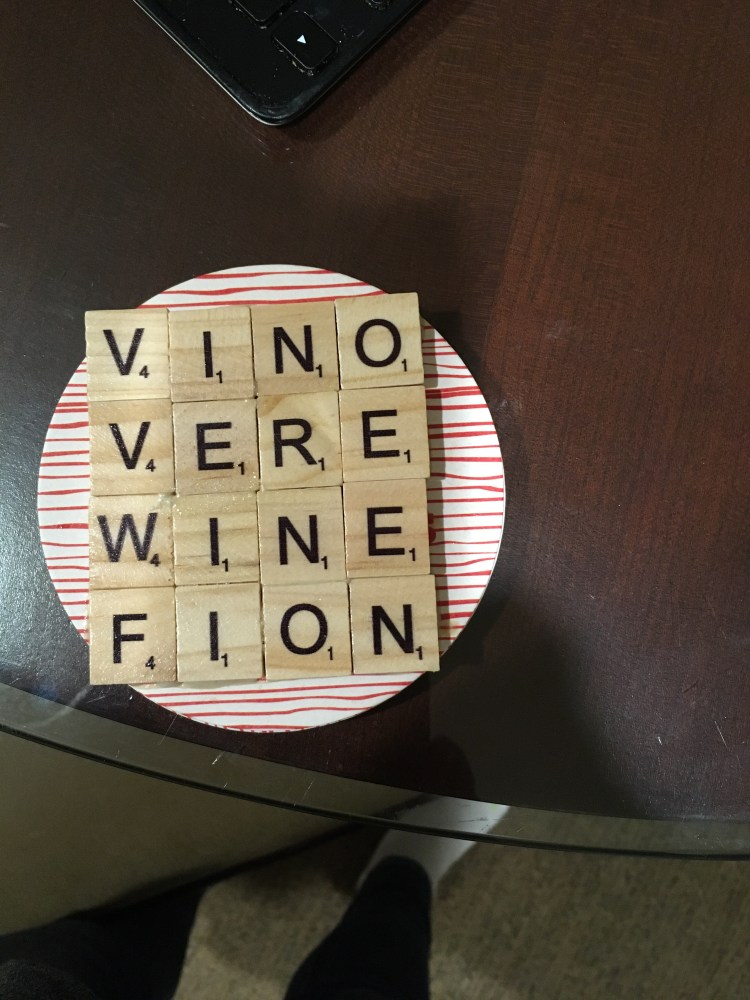
Today’s first:  Craft project (super quick and easy!)  Coaster making with cork and Scrabble Letters.  You can order the letters on Amazon for a few bucks and pick up cork/glue at a local crafts store.  We were lazy and grabbed a few coasters from our hotel bar 🙂

Fun times.. getting creative always feeds the soul.

img_7110img_7114img_7116image

Day 27- Heels over Head!

Today’s first for the ‘1 new thing a day for 100 days’ NY res was acroyoga with my older sis, Fran.  She was a ROCKSTAR base, I was super impressed by her.  I have minimal to no experience as a ‘flyer’ (the person up top.in air), but from the little I do, I know the key is a solid base (the person creating the foundation of the pose of course;))  Thank you, Franny, for making the challenge flow smoothly and to being open to a new experience with me.  Next time I’ll get a straighter angle in the air 😉 Below the pic is a bit more info on “acroyoga”..

img_7068


What is Acroyoga?

Acroyoga (also written Acro-Yoga or AcroYoga) is a physical practice which combines yoga and acrobatics.

There are now many schools of AcroYoga. The original two schools were Acroyoga Montreal and Acroyoga Inc.. Acroyoga Montreal was founded by Jessie Goldberg and Eugene Poku in 1999 combining acrobatics, yoga and dance. Acroyoga Inc., began in San Francisco in 2006, founded by Jason Nemer and Jenny Klein. This practice blends acrobatics, yoga and healing arts. Both schools offer teaching certifications, and despite some differences have many similar poses while using gravity to promote strengthening and stretching


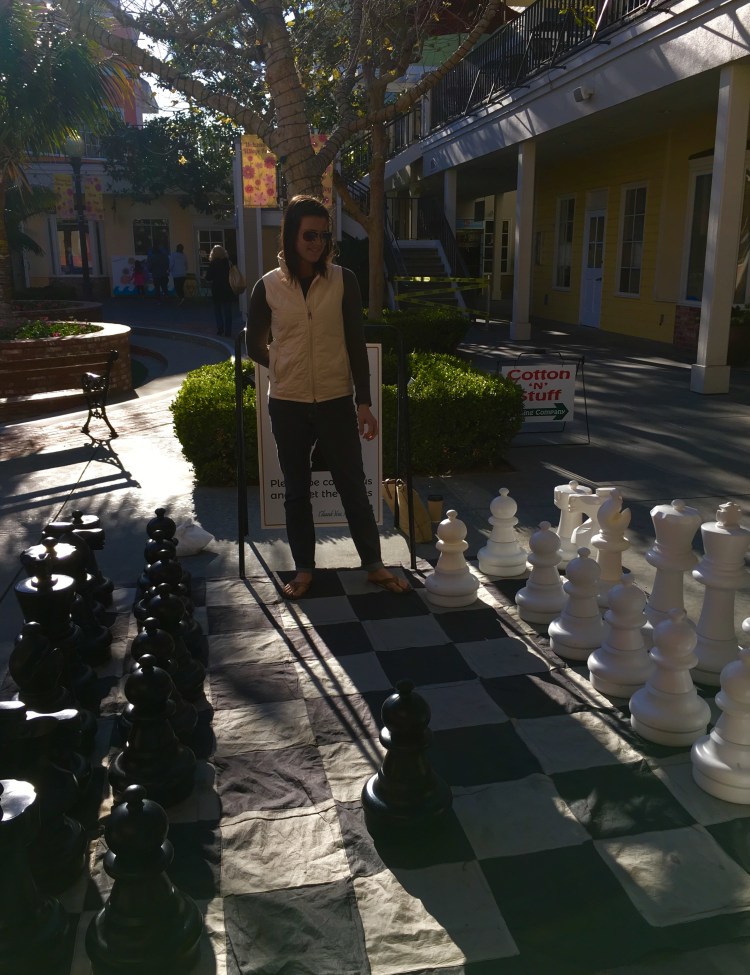
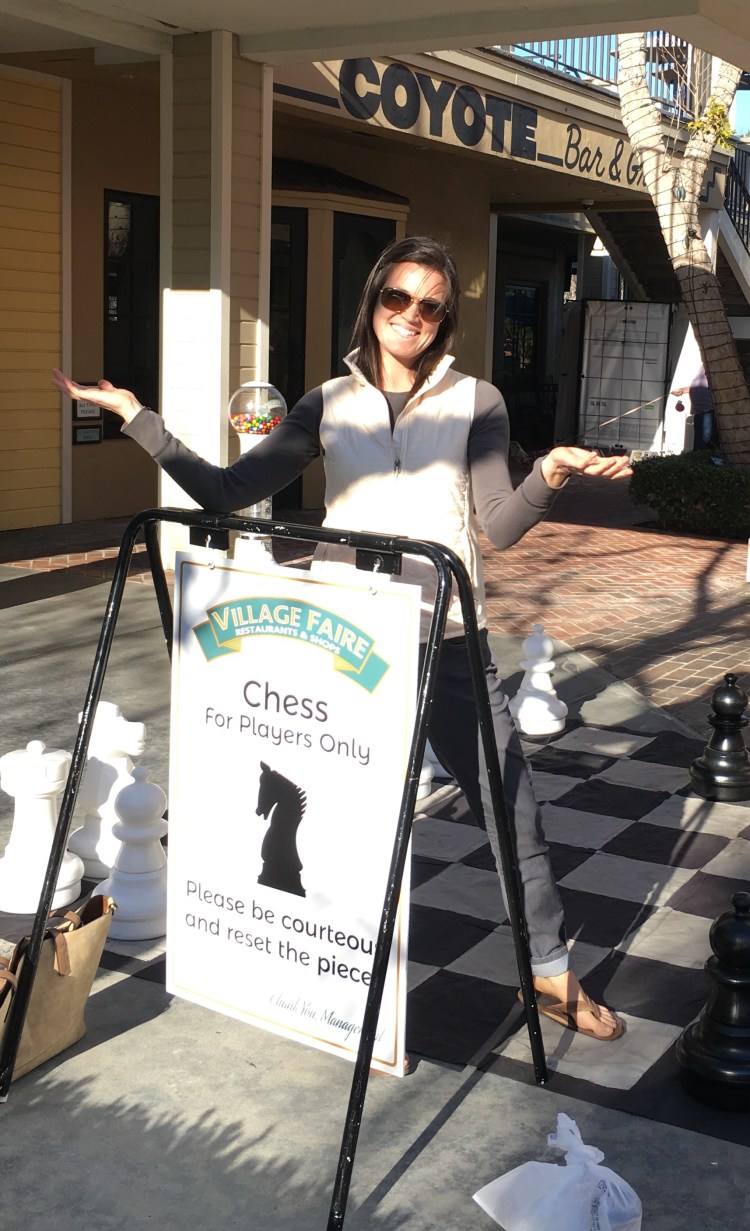
Day 26 -Outdoor sidewalk chess with Sis Fran – alas, a draw…

Today’s First: Played outdoor chess with my sister, we are down in Carlsbad for some sister time.  Game ended in a draw (tie).  What I like most about doing this blog is that it gives me the accountability to learn something I perhaps wouldn’t be inclined to given my typical daily ‘routine’.

A bit about the history of chess:

The history of chess goes back almost 1500 years. The game originated in northern India in the 6th century AD and spread to Persia. When the Arabs conquered Persia, chess was taken up by the Muslim world and subsequently, through the Moorish conquest of Spain, spread to Southern Europe.

Lots of solid 411 here on best first moves: https://www.chess.com/blog/monsterking/top-10-most-powerful-openings

img_7042img_7046img_7048img_7053

Day 25 – purchased (76.5% financed a pre owned Vdub..still hasn’t hit me!

Well my goodness today was certainly a first for this minimalist!  I flew from San Jose to Los Angeles ( The dealer agreed  to pay for flight, good lesson on the benefits of negotiation!).   I have been in the market for a car for sometime now, felt good to find a good deal after a lot of research and hit/Misses.

While my goal is eventually to create a lifestyle where I mostly  use my bicycle as my mode  of transportation, a car sure is a nice asset  and supports expanding one’s horizons.   I am very grateful to have found a good deal on this car and for all the advice along the way (thanks FJC and Jay).  This was a huge learning experience  and a fun adventure.

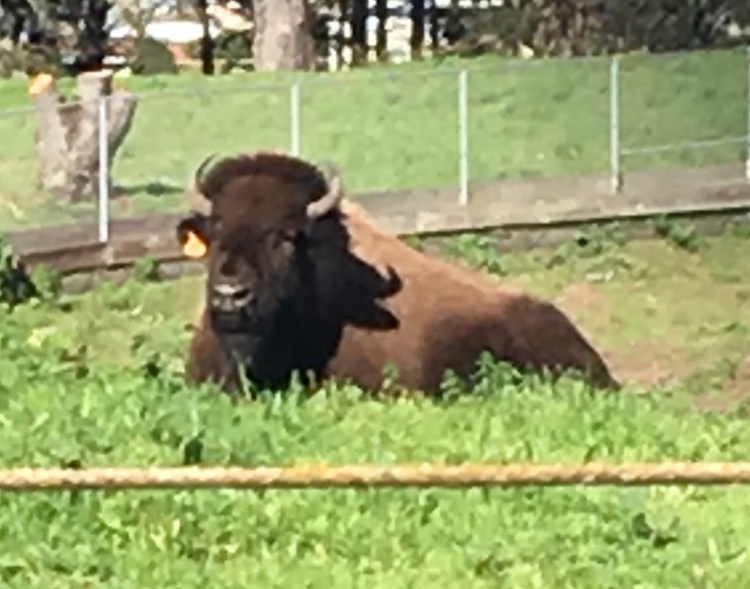
Day 24 – Bison Bliss

img_7025

Today’s First: Scoped out the Bison Paddock in Golden Gate Park. Very interesting facts..had not realized GGP once served as a breeding ground for these folks..

AMERICAN BISON: OUR LARGEST LIVING AMERICAN TREASURE

*The bison is the largest living animal native to North America. Standing more than six feet tall at the shoulder and weighing more than a ton, the males are about 1/3 larger than females.

The sheer number of bison and their migratory habits made them the dominant force in shaping much of our prairie ecosystem.

A CONSERVATION SUCCESS STORY

Until 100 years ago, 30-60 million bison roamed North America’s Prairies One frontiersman told of a herd five miles wide and 12 miles long. As railroads were built across the great plains, bison were killed for food skins and to deprive the Plains Indians of their primary food source.

On February 13, 1891 – when the species was close to extinction – the first bison was brought to Golden Gate Park. By 1998 more than 100 calves had been born in the captive breeding program and the total number of Bison in North America exceeded 200,000!

img_7016

Day 23- 11b at PG

img_7014

Today’s first was getting up an 11B rated climb at Planet Granite, SF.  I have only had success up to 11A routes till now.. Thanks for the push, rockstar Paul!

img_7015

This does a great job of breaking down Rock Climbing Ratings – from 5.0 to 5.15:

**Of course climbing OUTSIDE is way more challenging than the indoor routes we were on tonight! Need to hone the skills a bit more before tackling an 11B outside.. though I think Paul would smoke it..**

CLIMBING RATINGS — In the 1950’s a group called the Sierra Club modified an old system which they used to rate climbs according to their difficulty. This system is now called The Yosemite Decimal Rating System.

The YDRS breaks climbing down into classes and grades. Nearly every climbing guide uses this system. Beginning climbers can use this system to find climbs that are challenging but not too difficult; preventing them from venturing out onto something too hard that might lead to injury.

All climbing, hiking, crawling, and so on can be broken down into these classes. A brief explanation of the classes will describe what type of climbing might be encountered.

Class 1: Walking, on an established trail.

Class 2: Hiking, up a steep incline, possibly using your hands for balance.

Class 3: Climbing up a steep hillside; a rope is not normally used.

Class 4: Exposed climbing, following a ledge system for example. A rope would be used to belay past places where a fall could be lethal.

Class 5: This is where technical rock climbing begins. A 3 point stance (Two hands and a foot or two feet and a hand) is needed. A rope and protection are needed to safeguard a fall by the person leading. Any unprotected fall from a class 5 climb would be harmful if not fatal. Class 5 climbs are subdivided into categories to give more detail.

5.0-5.4: Climbing up a ramp or a steep section with good holds.

5.5-5.7: Steeper, more vertical climbing, but still on good holds. These routes are also easily protected.

5.8 +/- Vertical climbing on small holds. A + means that the climbing is more sustained like a 5.9, but the route would still be considered a 5.8. If you see a – after the 5.8 rating it means that the climb only has one or two moves like a solid 5.8 would have, but more resembles a 5.7. The + and – are becoming outdated and most guide books have discontinued their use.

5.9 +/- This rating means that the climb might be slightly overhung or may have fairly sustained climbing on smaller holds. With practice the beginning climber can climb in the 5.9 range quickly and with confidence.

5.10 a, b, c, d Very sustained climbing. A weekend climber rarely feels comfortable in this range unless they do go EVERY weekend or has some natural talent. The difference between a 5.10 b and a 5.10 c is very noticeable. Most likely the climbs are overhung with small holds and are sustained or require sequential moves.

5.11 a, b, c, d This is the world of the dedicated climber. Expect steep and difficult routes that demand technical climbing and powerful moves.

5.12 a, b, c, d The routes in this range are usually overhanging climbs requiring delicate foot work on thin holds or long routes requiring great balance on little holds.

5.13 a, b, c, d If you can climb upside down on a glass window, these climbs are right up your alley.

5.14 a, b, c, d These climbs are among the hardest in the world.

5.15 a This is as hard as climbing gets, folks. Keep in mind that very few climbers can actually climb at this level, although Spiderman eats these climbs for breakfast.

Climbs are rated by the hardest move on the route. A person who is a solid 5.8 climber theoretically should be able to climb through the crux (the hardest part of the climb) on any route rated 5.8 regardless of the type of rock or area they climb at. That is the theory anyway. Unfortunately, climbs are not rated by a committee of climbers so a particular climb can be off as much as a letter grade or more. Having said that, the majority of climbs you will do will be right on the money.

Since the destiny of every mountain, cliff, boulder, or pebble is to become like the gravel you walk on to get to the climb, know that ALL RATINGS ARE SUBJECTIVE! Weathering of the rock, the sun, wind and extreme temperatures all contribute to making climbs harder or easier than the rating given to a climb the first time it is established.

While routes are given ratings so you don’t bite off more than you can chew, try climbing at your level and then a little bit more. You might surprise yourself and actually get up the route in relatively good form.

If you are having trouble with a particular climb, don’t blame the rating. Train a little harder, do a few extra pushups at night, and give it a go again. Climbing is about setting goals and working to achieve them.

The last rating class of the Yosemite Decimal Rating System is class 6, which is considered aid climbing. Aid climbing has its own rating system that does not use decimals like class 5. Instead it uses A to abbreviate Aid and then a number which indicates how challenging the moves are and the commitment level involved on the climb.

Day 22 – Monarch Marvel

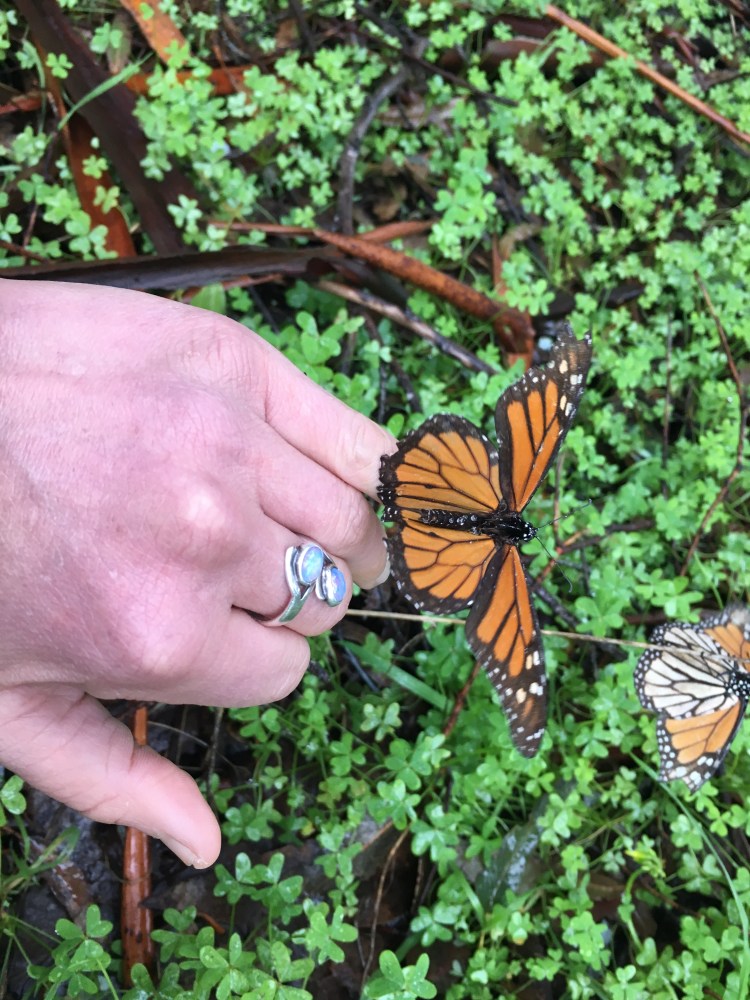
Today’s First: Attempted to see the monarchs in their habitat (thought they had left the area to continue their migration, but heard some only went a couple of miles south from Natural Bridges State Park to Lighthouse Field State Park).

After exploring the area as advised by the info center, I was convinced I was SOL until I dug a lil’ deeper and was blessed with a couple of beautiful stragglers.

img_7001

*Ideal time is in November, but you should be able to see some throughout the winter into early Feb..

Park here:

Pelton Ave & Lighthouse Ave
Santa Cruz, CA 95060

Look for this:

img_6989


“Monarch butterflies possess another mind-boggling skill that receives less acclaim: Without any guidance, these insects inherently know how, when and where to migrate across continents—and it takes four generations to make the yearlong trek.
The Starting Line
The arrival of spring marks the kickoff of the monarch butterfly’s migration, with the first generation making its debut into the world. Born in March and April, these tiny insects pick up where their predecessors left off, traveling farther north on a generational journey that totals 1,200 to 2,500 miles. That’s quite the feat for creatures with wing spans of only 3.5 to 4 inches!
Not all will reach their destination in the eastern, western and midwestern United States—some travel as far as central and eastern Canada—but those that don’t will lay eggs along the way. Their contribution to the migratory marathon is much shorter—though no less significant—than that of their parents. This first generation usually doesn’t live longer than two months, spending a large part of their lives eating, metamorphosing and laying eggs for the next phase of the race.
Keeping Pace
The eggs laid by the first generation hatch into baby caterpillars after about four days, typically entering the world in the warm months of May and June. The next two weeks are spent eating and growing until they’re ready to attach themselves to stems or leaves and transform into a chrysalis. Ten days later, stunning butterflies emerge and fly away, carrying on the course and stopping for snacks on the “milkweed highway.” This generation lays eggs for the next, which is born in July and August. Like the first, both the second and third generations have only two to six weeks to complete their leg of the trip.
The Anchor Leg
It’s the fourth generation, born in September and October, that leads the longest and most exciting life. Unlike their parents, grandparents and great-grandparents, these butterflies don’t die after two to six weeks—there’s too much to do before they pass the torch. Instead, they live upward of eight months, spending their extra time traveling the continent to ensure their species’ survival.
With cold weather just around the corner, these butterflies instinctually know it’s time to head south. Monarchs that spend their summer vacation in western North America fly to the southern coast of California. About 60 million to 1 billion more migrate from eastern North America to the Sierra Madre Mountains of central Mexico. These frequent flyers sometimes rack up about 80 miles a day, spreading out their journey across two months.
Monarch Map
Despite the overwhelming number of monarchs traveling to Mexico, there are only about a dozen overwintering sites for them, and not all of these are protected from logging. The Monarch Butterfly Biosphere Reserve, a national protected area and nature preserve in central Mexico, hosts the majority of wintering monarchs from the eastern United States and Canada.
In late October, the tops of the reserve’s trees are enveloped in a blanket of orange and black. The monarchs huddle together to fight the cool night air and use the surrounding trees to shield themselves from the wind, snow, rain and hail. The hibernating butterfly clusters can become so dense that tree branches occasionally bend and snap beneath their weight. It’s truly a sight to see—and it drives a good deal of tourism, with 80,000 sightseers visiting Mexico every year just to catch a glimpse of the phenomenon.
The monarch butterflies remain in the treetops for the next five months, until the cycle begins all over again in February and March, when they desert their southern homes for the promise of milkweed thousands of miles north.
The Fall of Monarchs
Monarch butterflies have been beautifying backyards across North America for centuries, their brilliant orange and black wings swooping in for snacks and delighting all who catch a glimpse. In the past 20 years, however, these seasonal visitors have become much more difficult to spot. The species is facing a 90 percent population decline, prompting at least three major conservation groups to call for its designation as threatened.
Part of the problem lies in the lack of milkweed. A perennial flowering plant, milkweed is critical to the butterflies’ survival. It provides nectar along the migration route and is the only plant on which these insects can lay their eggs. However, it’s quickly disappearing from the Midwest as farmers cultivate more land for agricultural use.
Individuals can help by promoting protective legislation through online petitions, such as the one at biologicaldiversity.org. Equally easy: Plant milkweed and other nectar plants to create a “monarch way station” around your own home—or recommend the planting of these monarch food sources in other areas of the community. Your contribution can help ensure the preservation of the species and the continuation of the incredible insect’s migration throughout North America.”