Day 92 – talkin’ my way past the guard. sometimes just relating human – human gets you a long way!

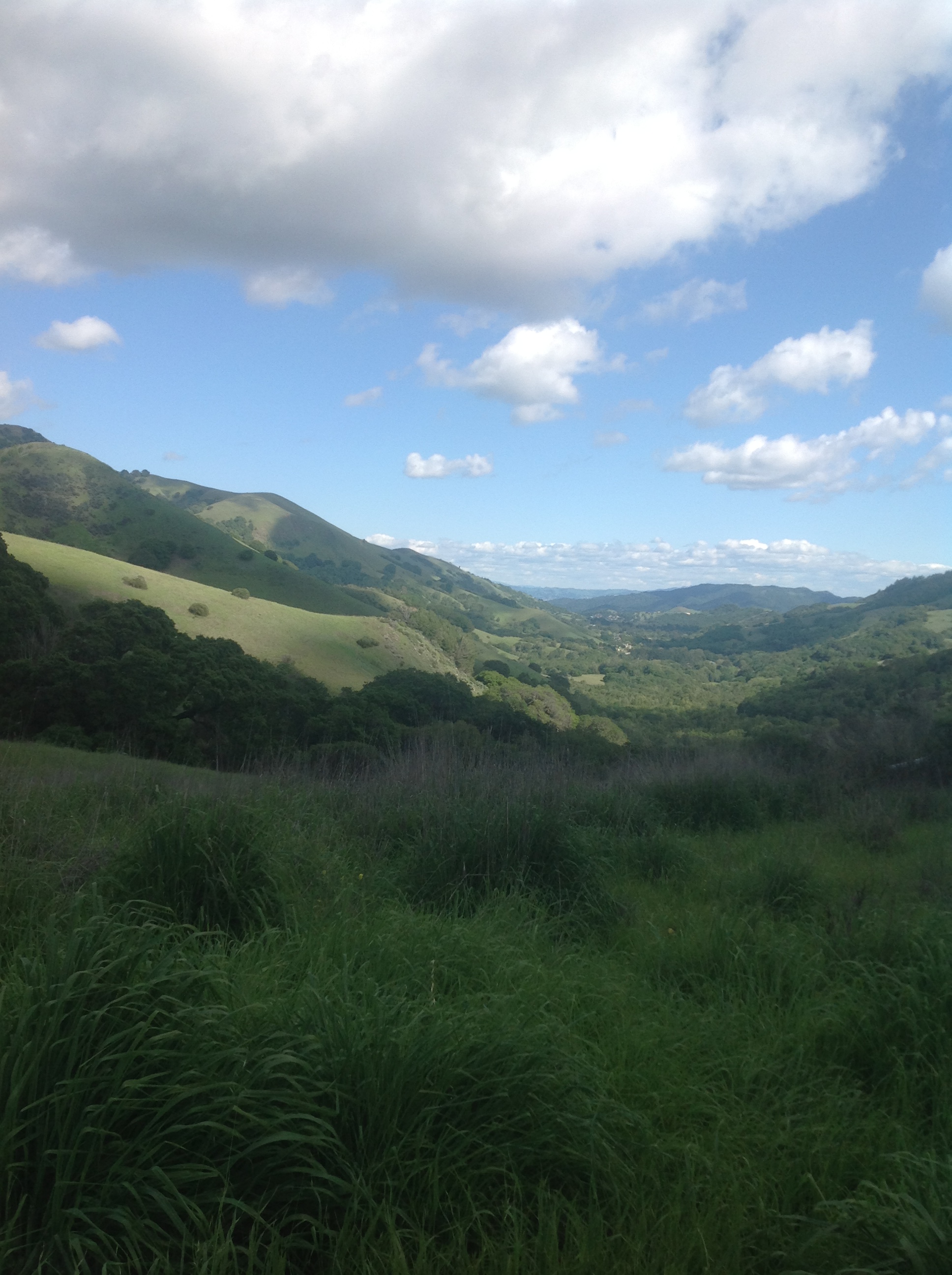
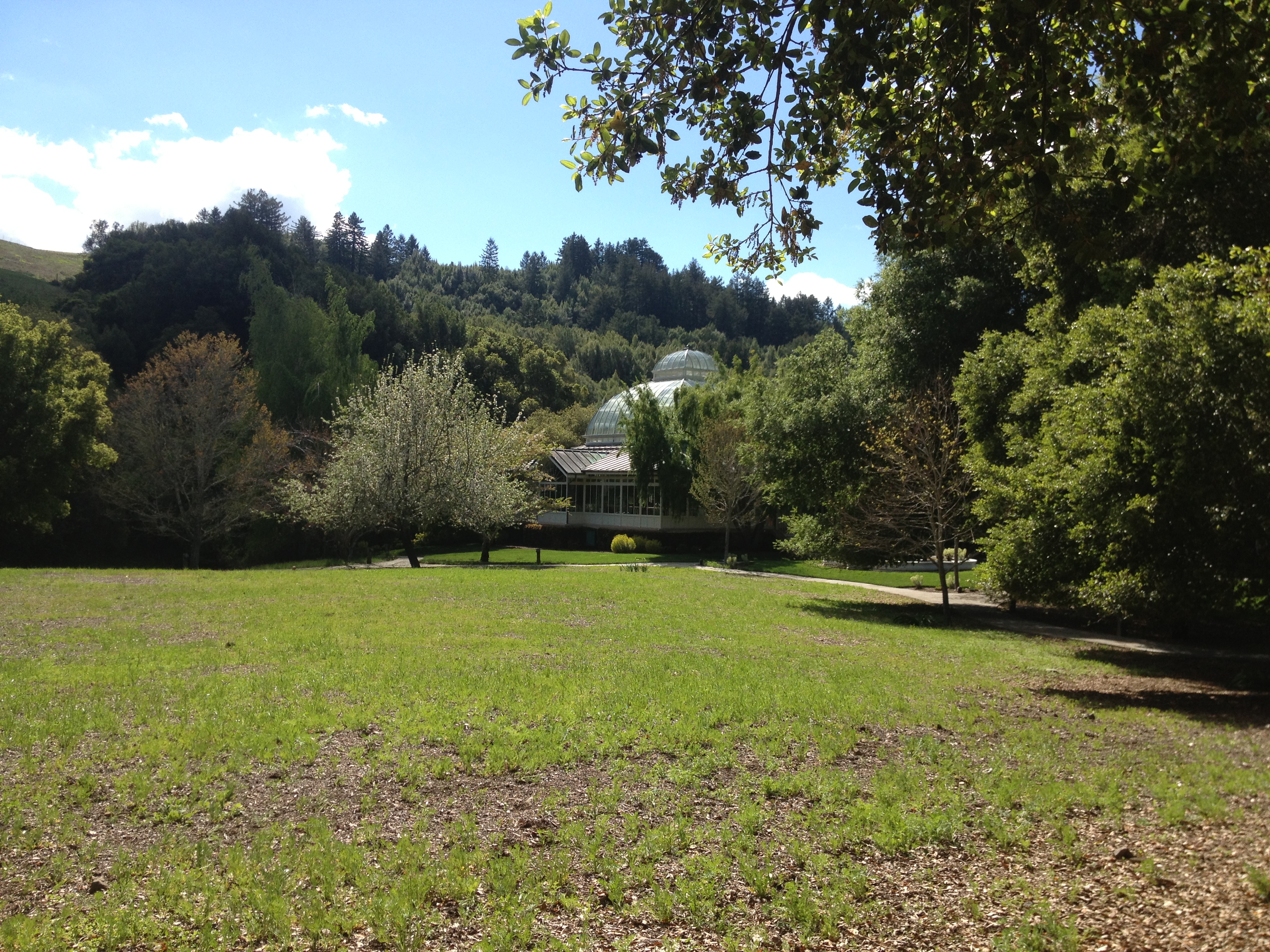
Successful attempt to visit the private, secured Sky Walker Ranch in Nicasio, CA.  Wow.


IMG_1010

IMG_2031 IMG_2032 IMG_2033


Image


ImageImageImage

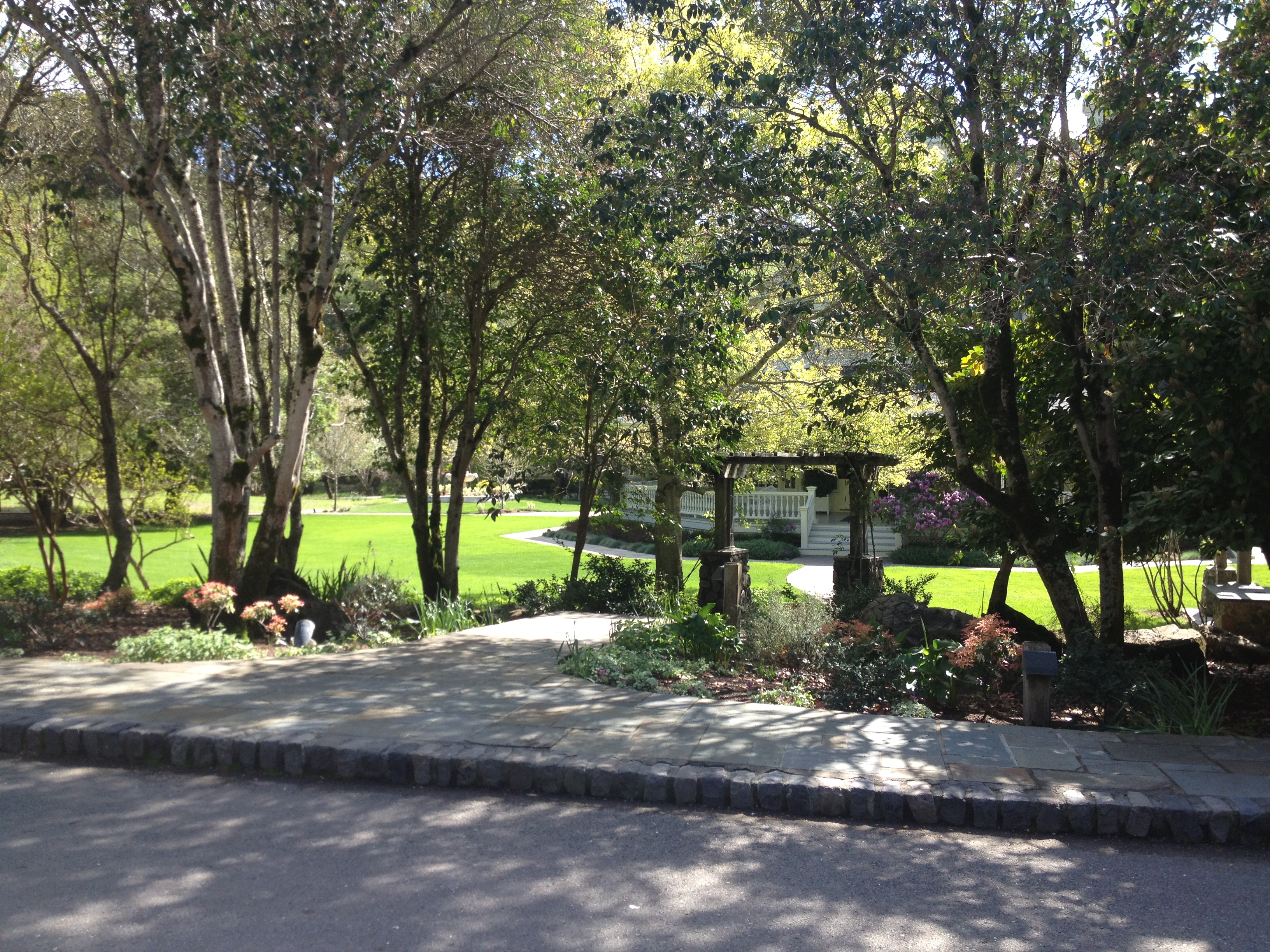
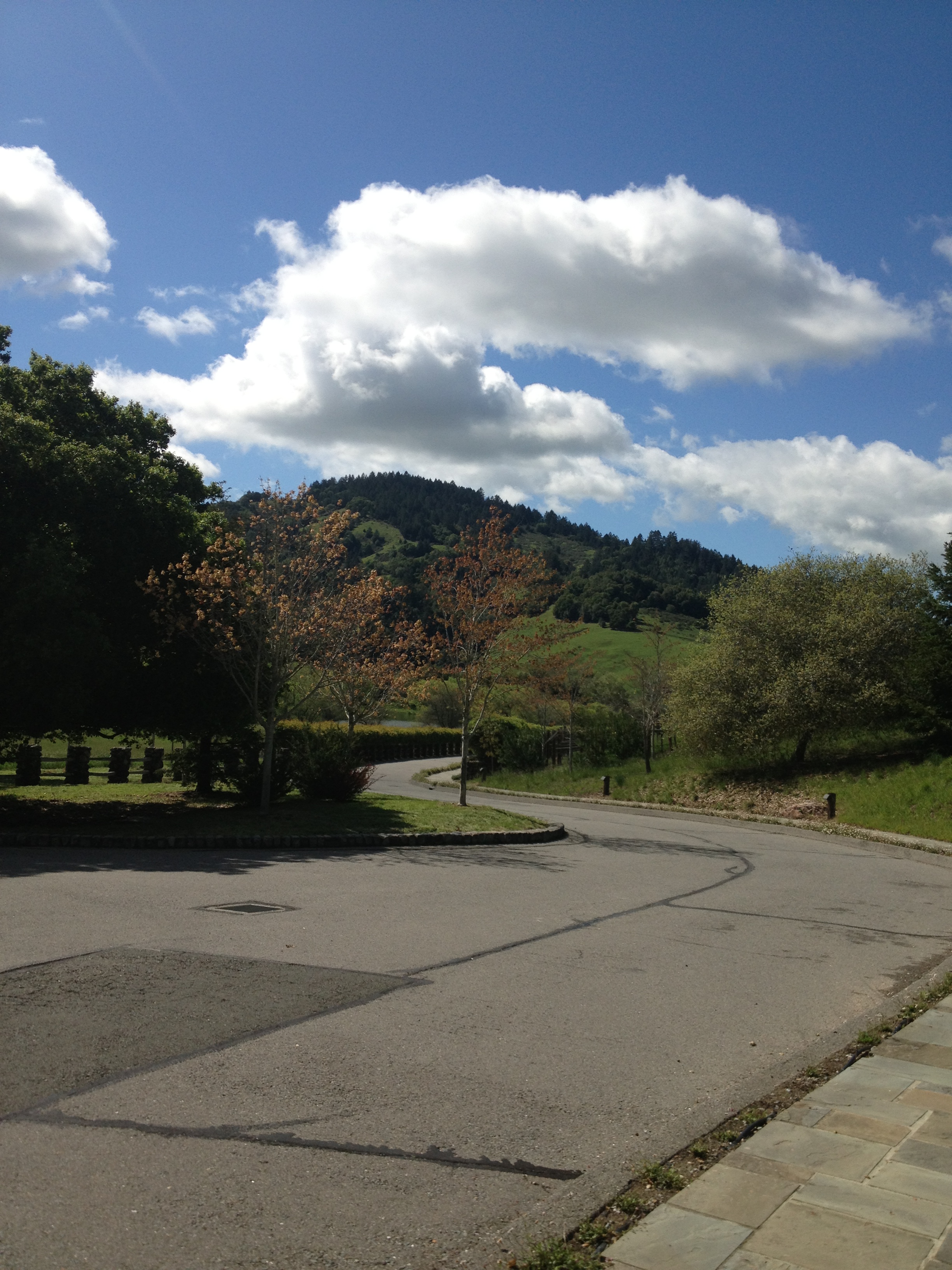
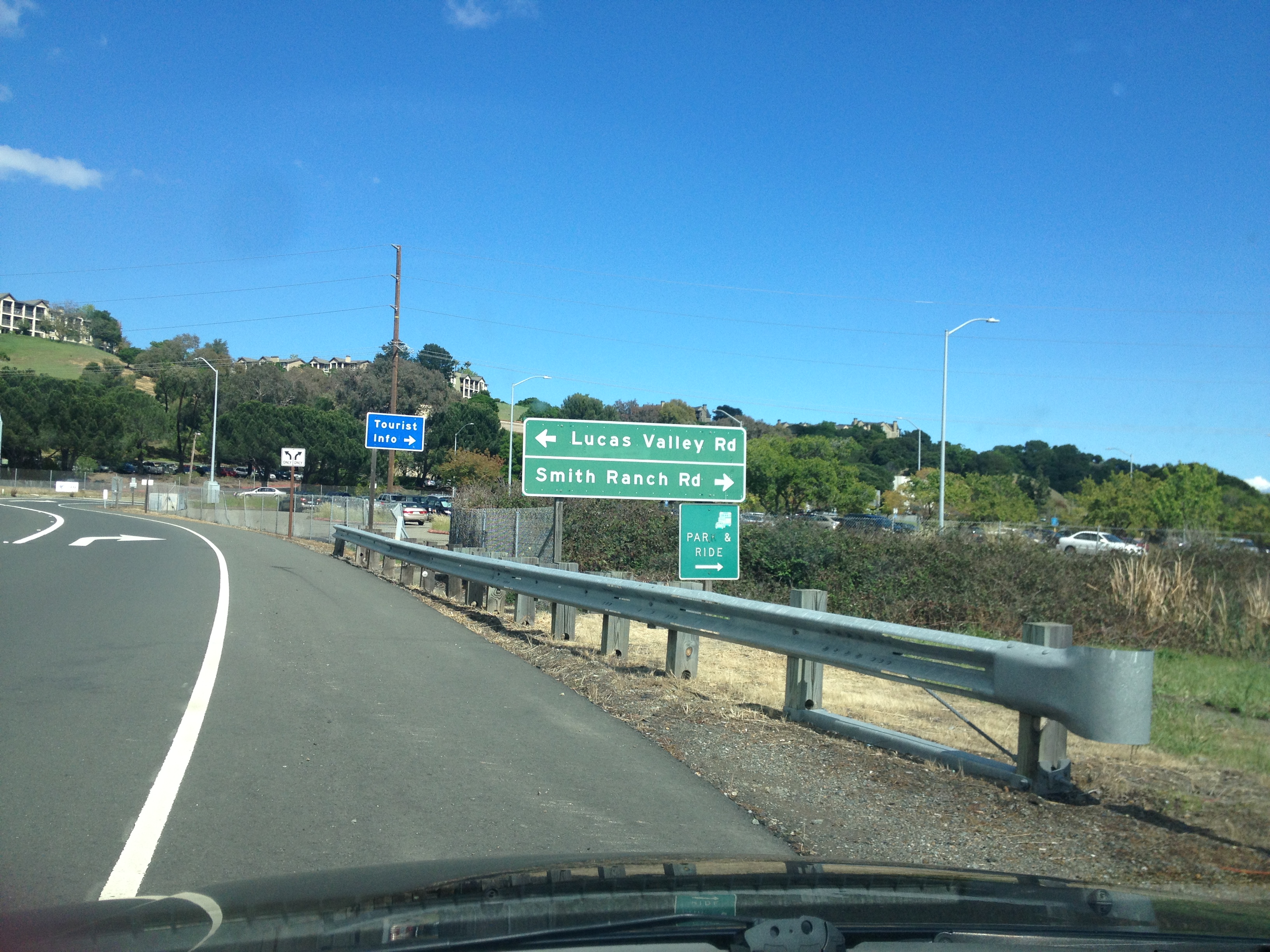
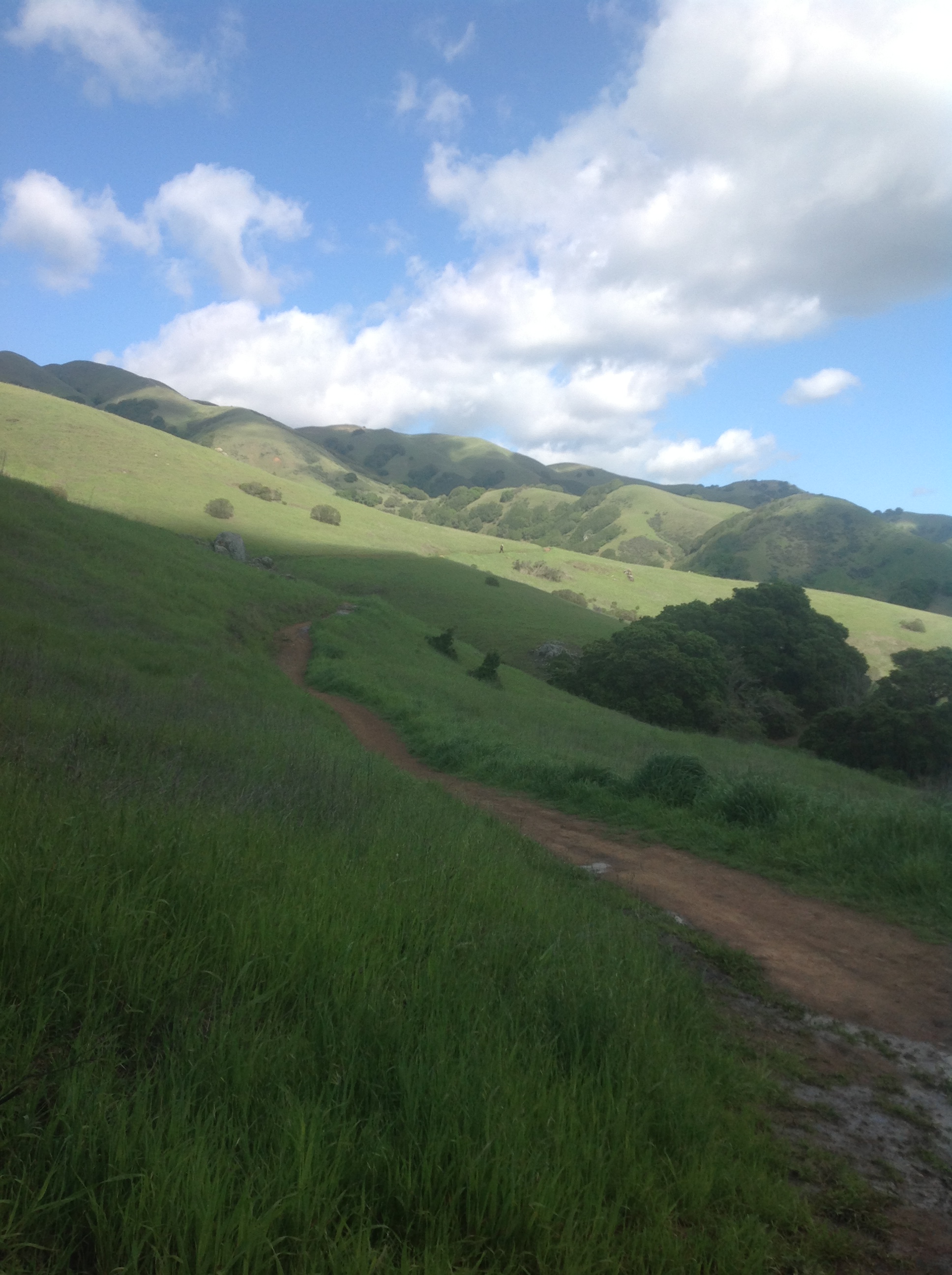
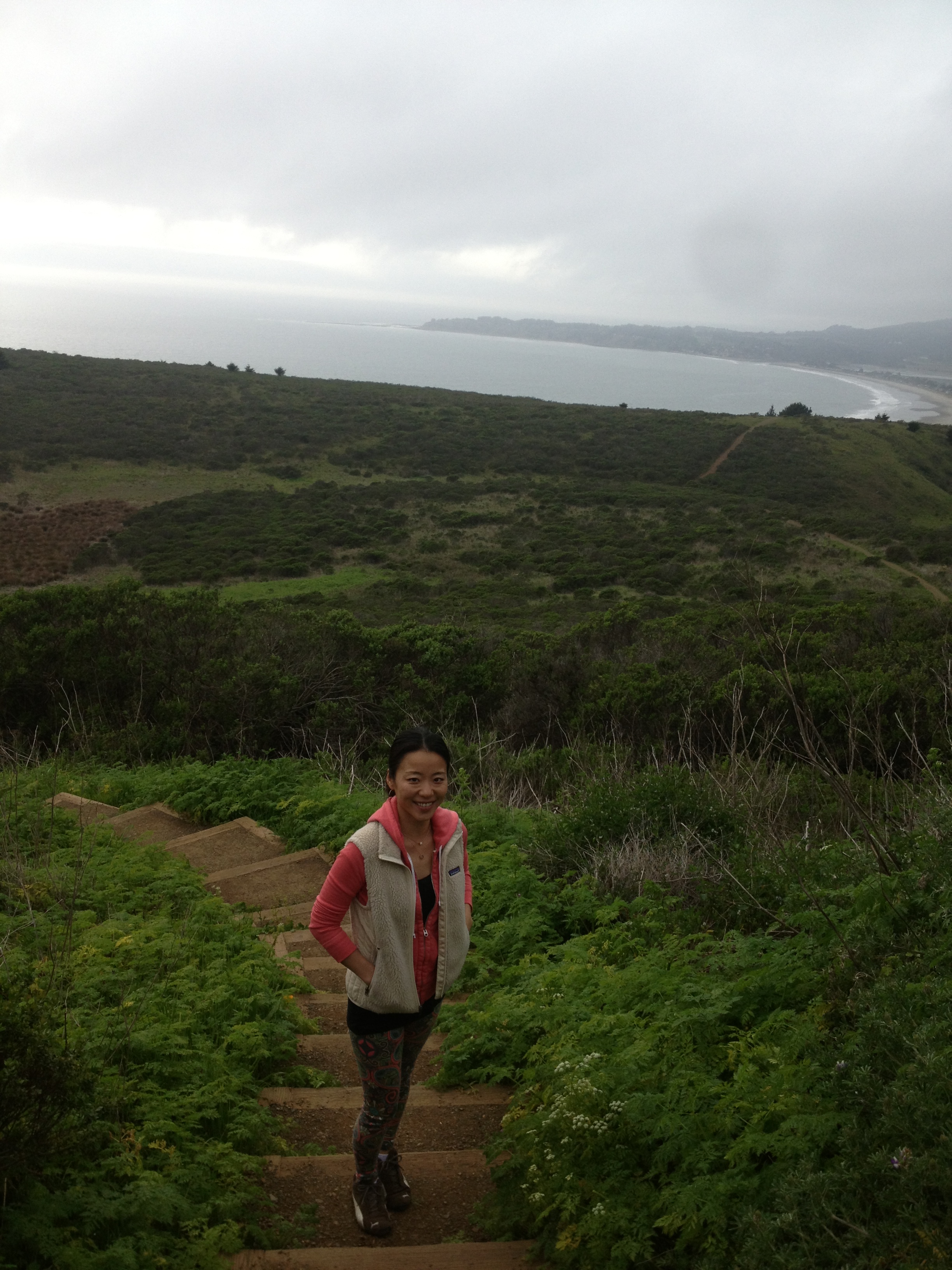
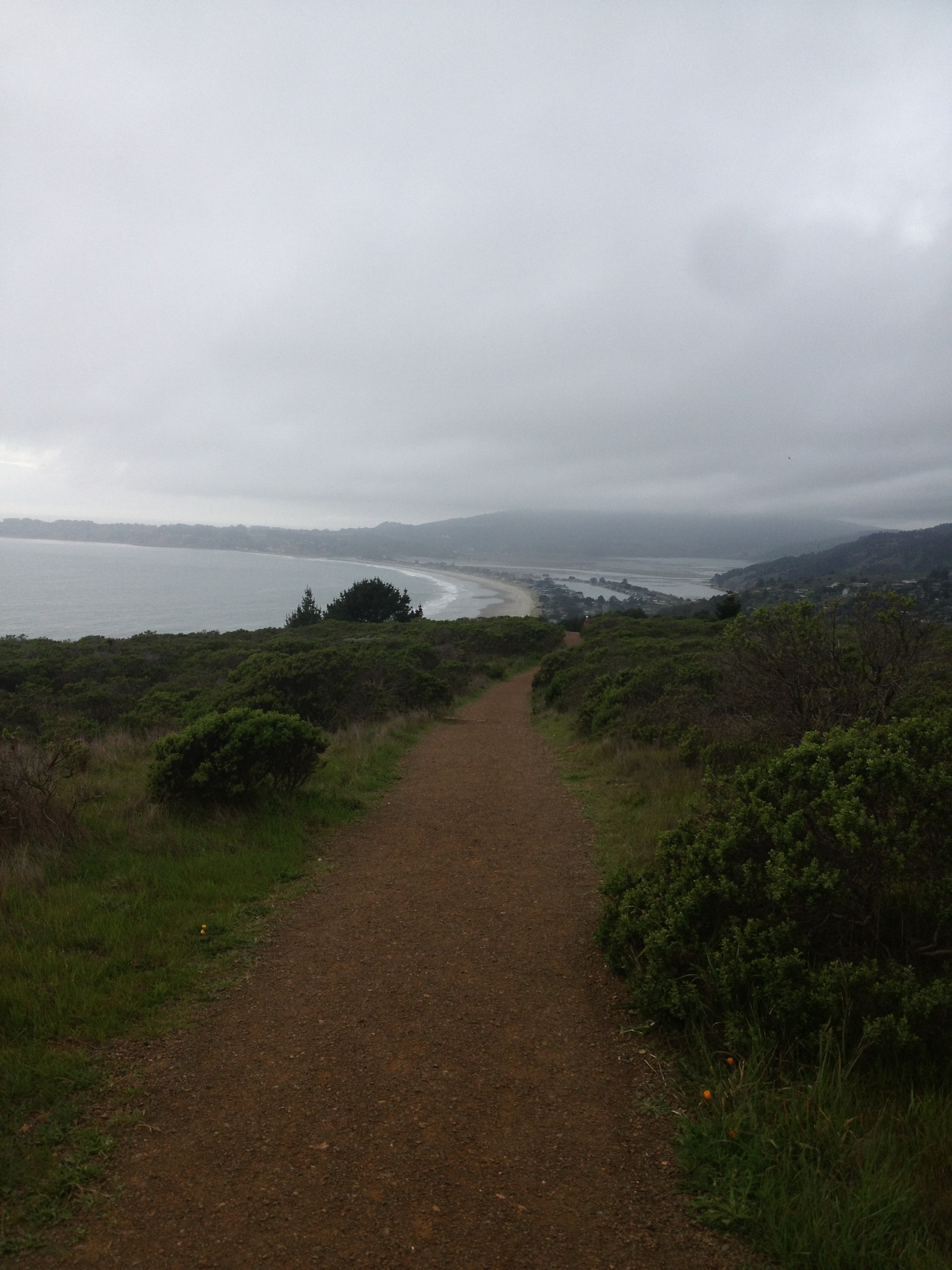
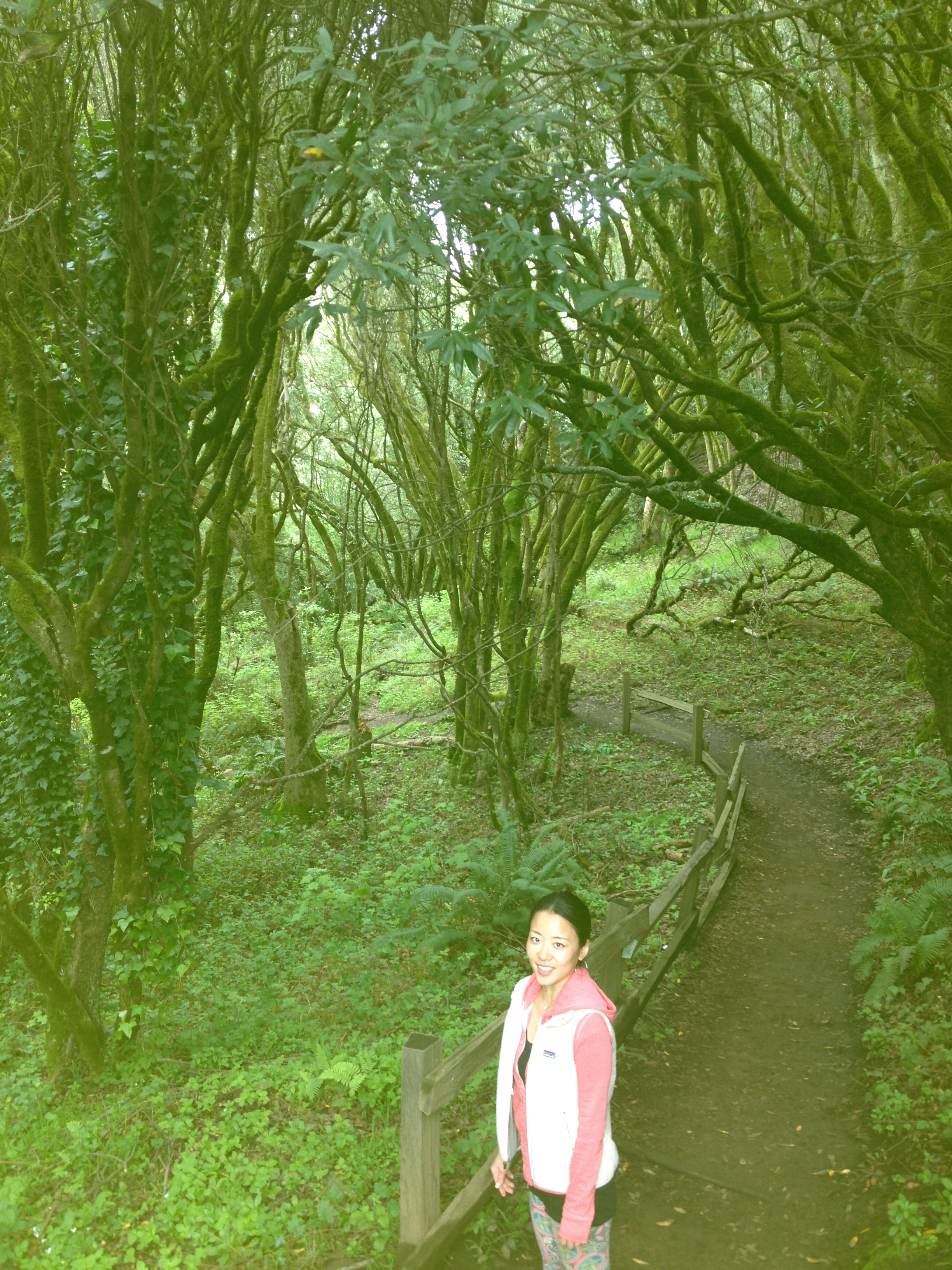
These 3 photos above are taken in Nicasio Valley on Lucas Valley Road en route to the ranch, definitely will return with my bike

or running shoes, what a magical road.

Day 91

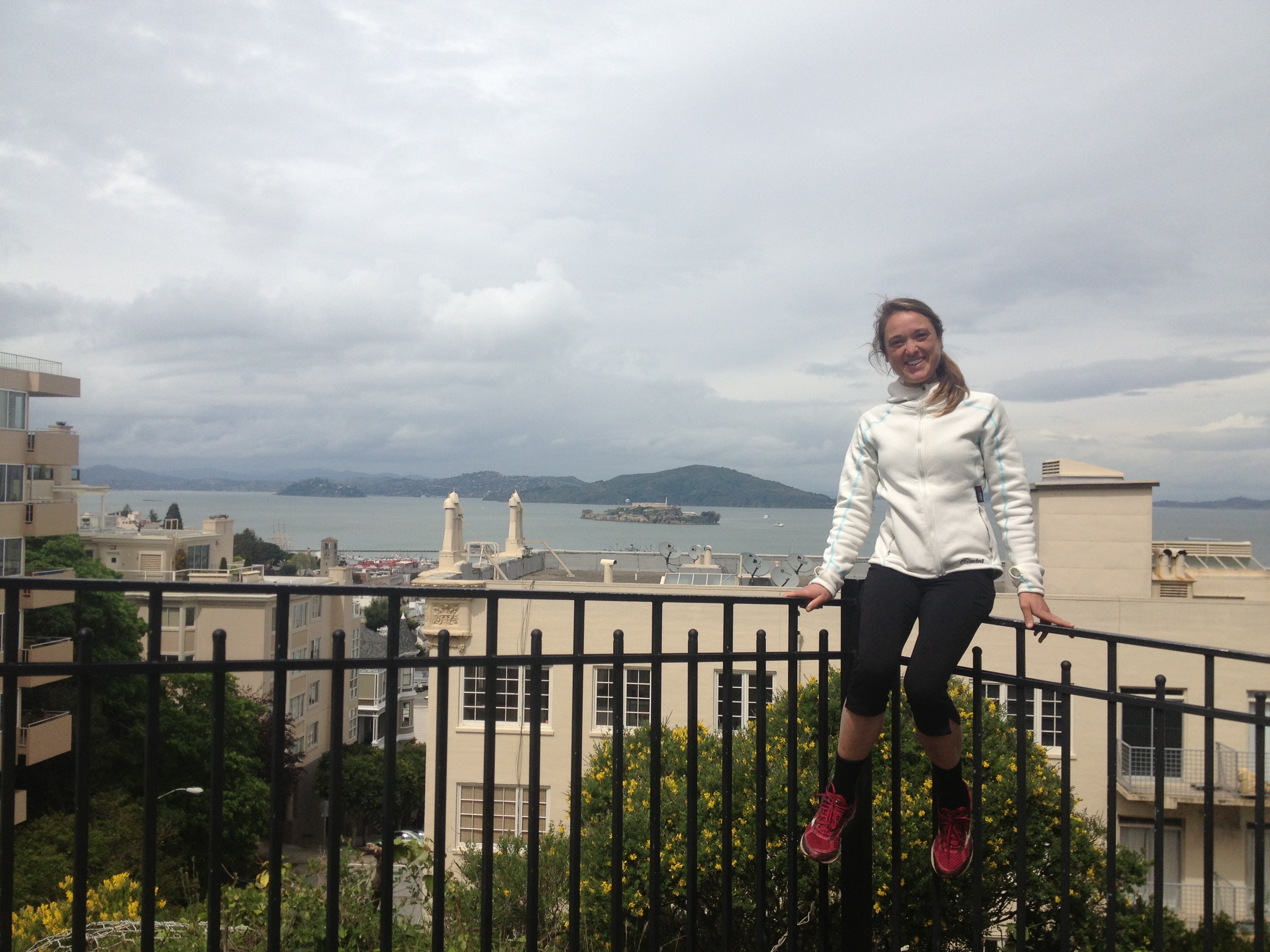
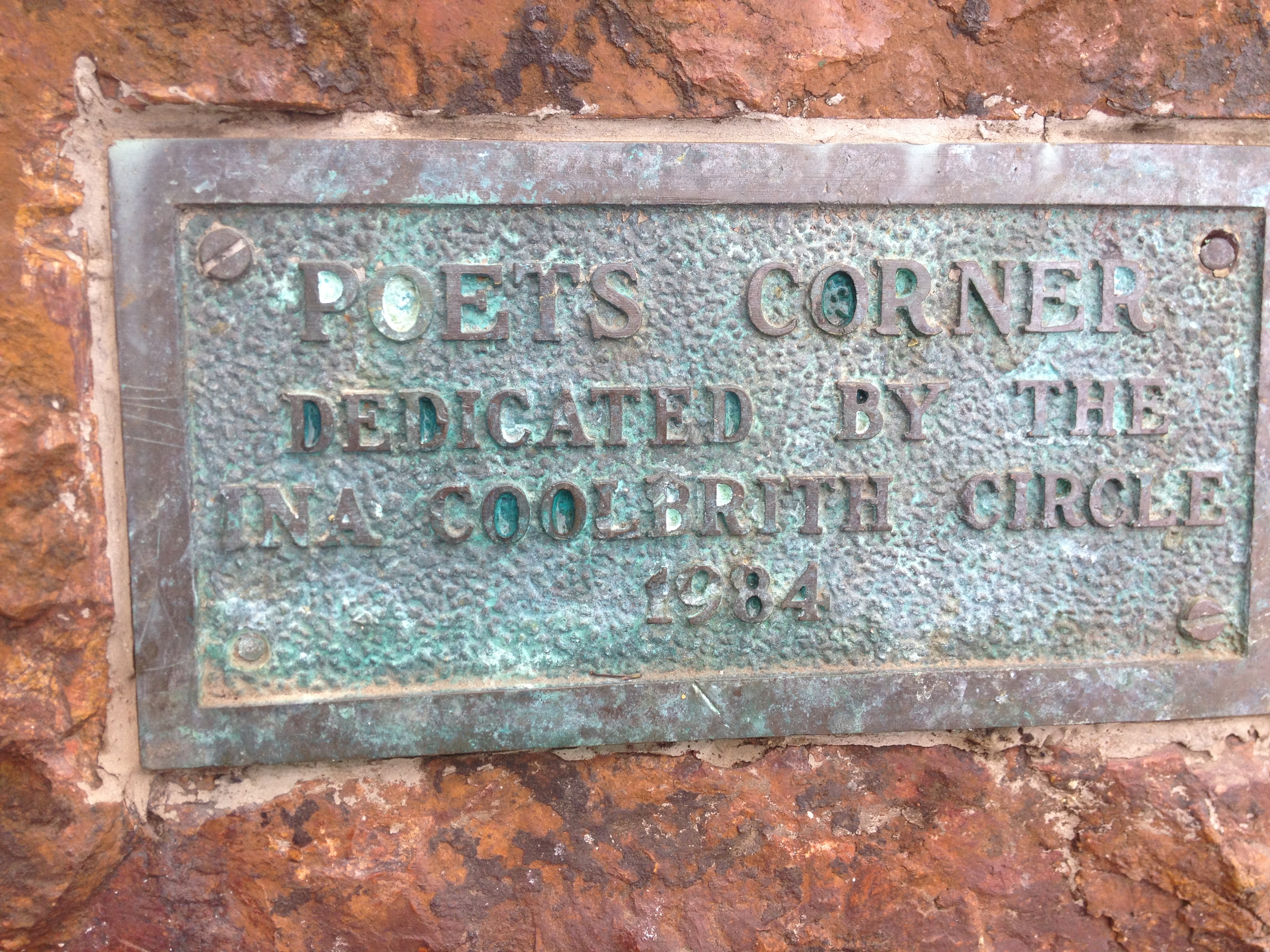
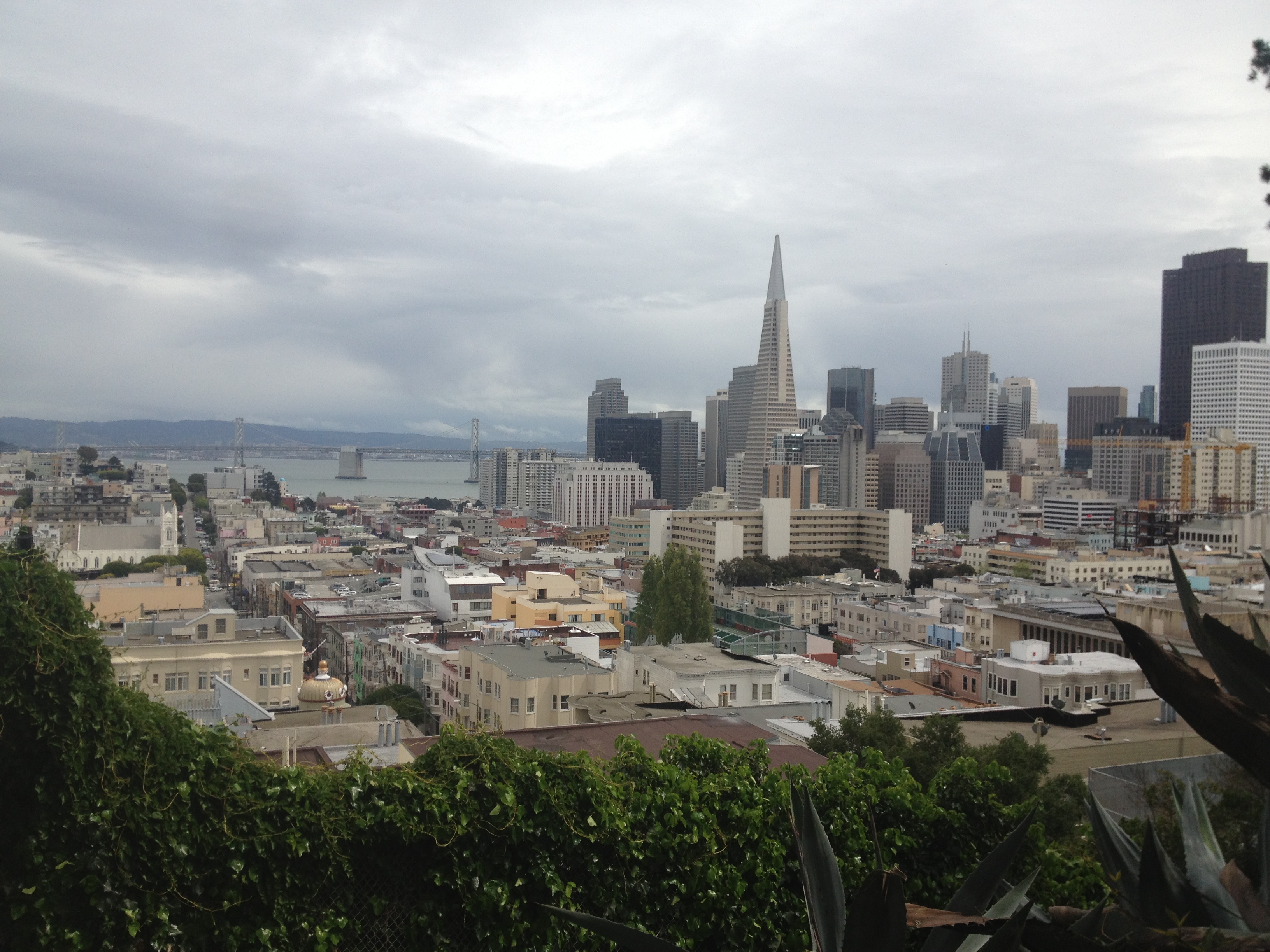
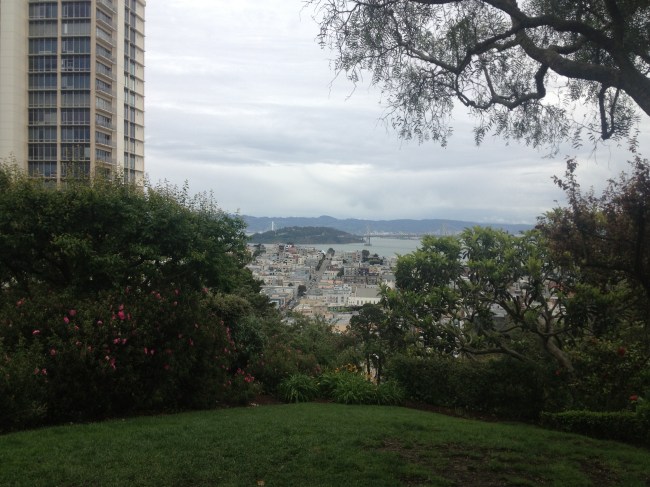
Unexpected first en route to a planned first (was trying to find a short cut to St. Francis of Assisi Church when I stumbled upon Ina Coolbrith Park in North Beach.. Poet’s Corner.) **kind of wild – see picture toward the end, I share a birthday with Ina! Granted her March 10th was in 1841, and mine in 1981, but pretty serendipitous..

Image

ImageImage


Image

Image

(as plaque shows, Ina born on 10 March!!)

A fine charcoal portrait of Ina Coolbrith in her 30s or 40s, shown from the neck up, wearing a garment with a high, open collar made of lace, with hair curled and secured atop the head, looking slightly to the left. A fountain pen signature is below the portrait, reading "Ina Coolbrith", the letter "c" writ large to sweep underneath the next five letters.

Ina Coolbrith
A fine charcoal portrait of Ina Coolbrith in her 30s or 40s, shown from the neck up, wearing a garment with a high, open collar made of lace, with hair curled and secured atop the head, looking slightly to the left. A fountain pen signature is below the portrait, reading “Ina Coolbrith”, the letter “c” writ large to sweep underneath the next five letters.

Ina Coolbrith in the 1880s
Ina Donna Coolbrith (March 10, 1841 – February 29, 1928) was an American poet, writer, librarian, and a prominent figure in the San Francisco Bay Area literary community. Called the “Sweet Singer of California”,[1] she was the first California Poet Laureate and the first poet laureate of any American state.[2]
Coolbrith, born the niece of Latter Day Saint movement founder Joseph Smith, Jr., left the Mormon community as a child to enter her teens in Los Angeles, California, where she began to publish poetry. She terminated a youthful failed marriage to make her home in San Francisco, and met writers Bret Harte and Charles Warren Stoddard with whom she formed the “Golden Gate Trinity” closely associated with the literary journal Overland Monthly. Her poetry received positive notice from critics and established poets such as Mark Twain, Ambrose Bierce and Alfred Lord Tennyson. She held literary salons at her home—in this way she introduced new writers to publishers. Coolbrith befriended the poet Joaquin Miller and helped him gain global fame.
While Miller toured Europe and lived out their mutual dream of visiting Lord Byron’s tomb, Coolbrith was saddled with custody of his daughter, and the care of members of her own family, so she set up house in Oakland and accepted the position of city librarian. Her poetry suffered as a result of her long work hours, but she mentored a generation of young readers including Jack London and Isadora Duncan. After she served for 19 years, Oakland’s library patrons called for reorganization, and Coolbrith was fired. She moved back to San Francisco and was invited by members of the Bohemian Club to be their librarian.
Coolbrith began to write a history of California literature, including much autobiographical material, but the fire following the 1906 San Francisco earthquake consumed her work. Author Gertrude Atherton and Coolbrith’s Bohemian Club friends helped set her up again in a new house, and she resumed writing and holding literary salons. She traveled by train to New York City several times and, with fewer worldly cares, greatly increased her poetry output. On June 30, 1915, Coolbrith was named California’s poet laureate, and she continued to write poetry for eight more years. Her style was more than the usual melancholic or uplifting themes expected of women—she included a wide variety of subjects in her poems, which were noted as being “singularly sympathetic” and “palpably spontaneous”. Her sensuous descriptions of natural scenes advanced the art of Victorian poetry to incorporate greater accuracy without trite sentiment, foreshadowing the Imagist school and the work of Robert Frost.  California poet laureate Carol Muske-Dukes wrote of Coolbrith’s poems that, though they “were steeped in a high tea lavender style”, influenced by a British stateliness, “California remained her inspiration.”
Day 89 – funny who you meet when you are tying your shoes!

Was tying my shoe when a lil’ dude asked me “are you gonna use “Ian’s method?!?” with more energy than I have felt in years.. and shoot I have a lot of energy.  Who the heck is Ian? I’m thinking but the wide eyed boy by my feet merited an “OF COURSE!” in reply.  Needless to say I came home and plopped down in my chair to seek out Guru Google’s wisdom.  Sure enough.. would you believe.. there is an Ian Method when it comes to tying your darn shoelace.

FIRST for me today!:

Ian Knot, Ian’s Fast Shoelace Knot.  I tie my shoelaces with an “Ian Knot”, the World’s Fastest Shoelace Knot: Make a loop with both ends and simultaneously pull them through each other to form an almost instant knot. Don’t confuse this with the very similar looking Two Loop Shoelace Knot – the technique is quite different and much faster. It’s a truly revolutionary way to tie your shoelaces!

Please don’t be put off by these detailed instructions – even the Standard Shoelace Knot looks tricky when illustrated! Give it a try; you’ll find it’s easier than it looks.Step 1:
Ian Knot diagram 1 Ian Knot picture 1
Tie a Left-over-Right Starting Knot as shown, then hold the laces as pictured. The right (blue) lace is held between the right thumb and forefinger whilst the left (yellow) lace is held around the left thumb and forefinger, using the other fingers of the left hand to hold the lace taut.Step 2:
Ian Knot diagram 2 Ian Knot picture 2
This move creates two loops, one with the loose end behind, the other with the loose end in front. Use the middle finger of the right hand to push the loose end of the right lace behind, whilst the left hand simply rotates forwards to swing its loop across to the right.Step 3:
Ian Knot diagram 3 Ian Knot picture 3
This next move crosses the two loops over each other. Use the left thumb to push its loose end over to the right, whilst the right middle finger continues to push its loose end all the way between the left thumb and forefinger to end up inside the left loop.

Note that the diagram at left shows somewhat exaggerated crossed loops. They are really more “alongside” each other, which is difficult to illustrate.

Step 4:
Ian Knot diagram 4 Ian Knot picture 4
This tricky move requires each hand to use the two fingers inside its own loop to grab the loose end of the other hand’s loop. Use the left thumb and forefinger to grab the loose right end, then the right thumb and middle finger can grab the loose left end.Step 5:
Ian Knot diagram 5 Ian Knot picture 5
This move sees each hand releasing its own loop and pulling the loose end of the opposite loop through its own. Take care not to pull the ends all the way through, as this will form a “knot” instead of a “bow”. In fact, this is a quick way to tie a starting knot (though the finger movements must be reversed left to right or else it forms a Granny Knot).Step 6:
Ian Knot diagram 6 Ian Knot picture 6
This final step simply completes the knot by pulling the loops tight. With practice, I can now tie my laces in about one third of the time of a conventional knot!


Day 83

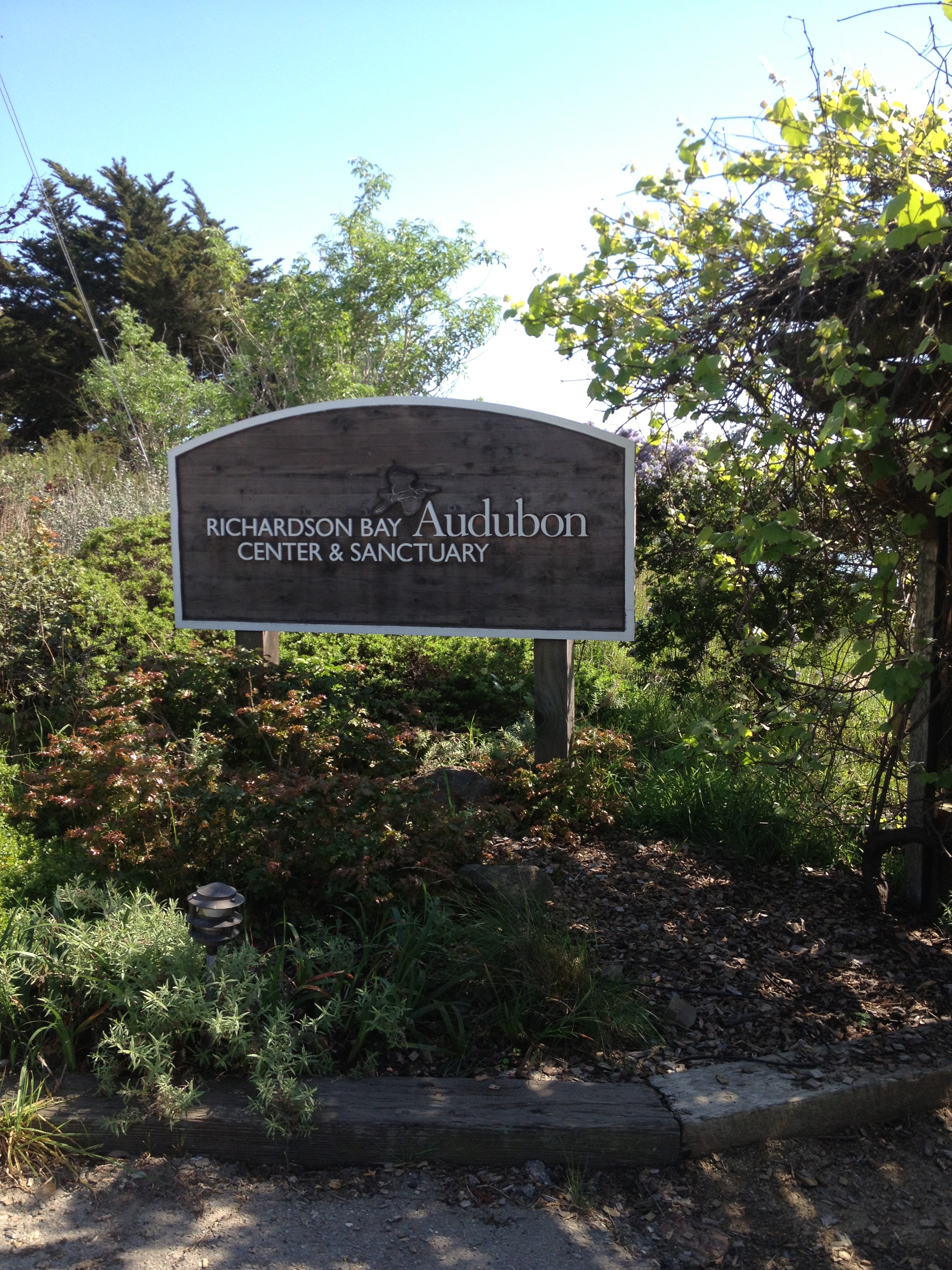
Richardson Bay Audubon Society and Sanctuary

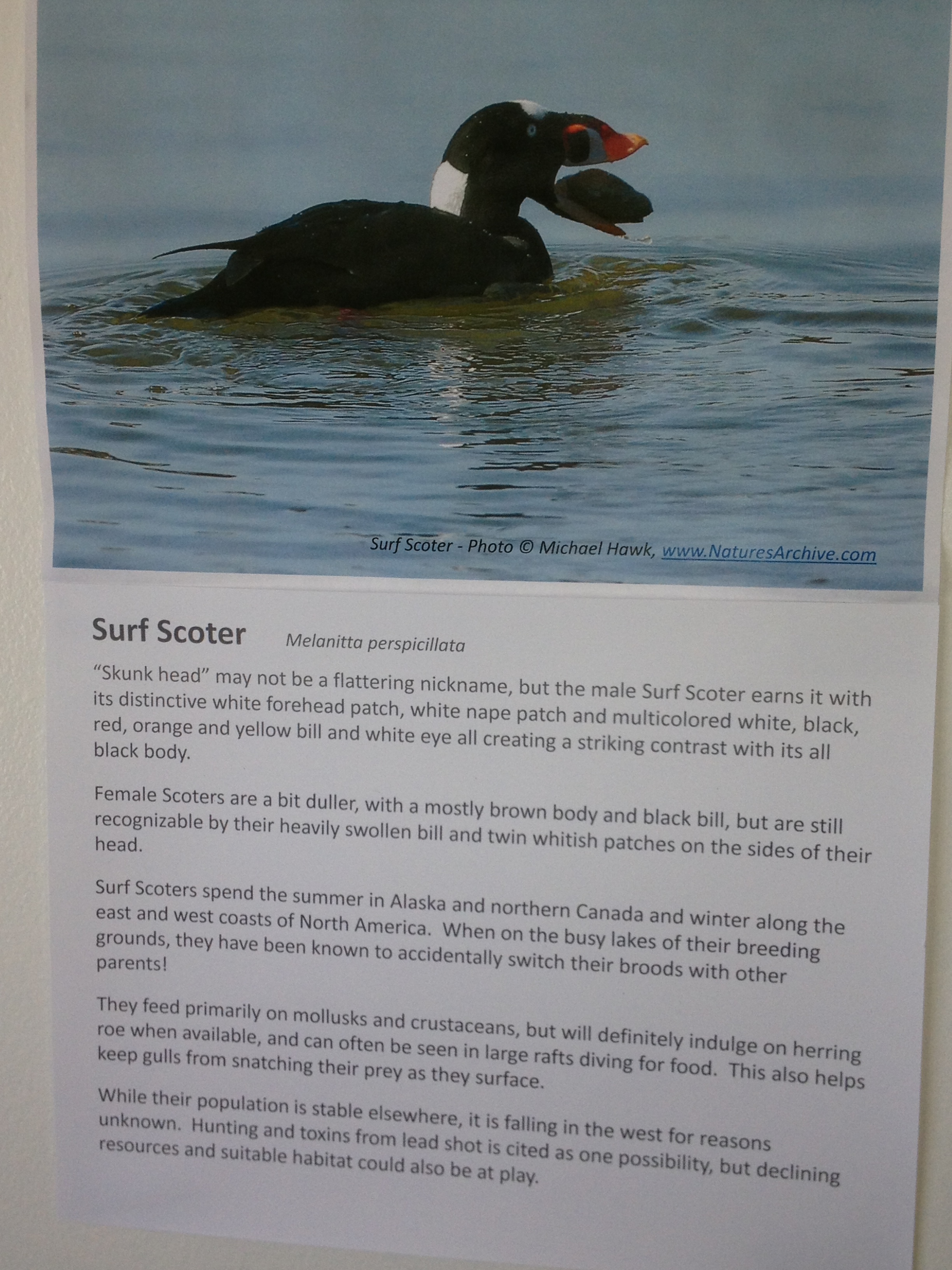
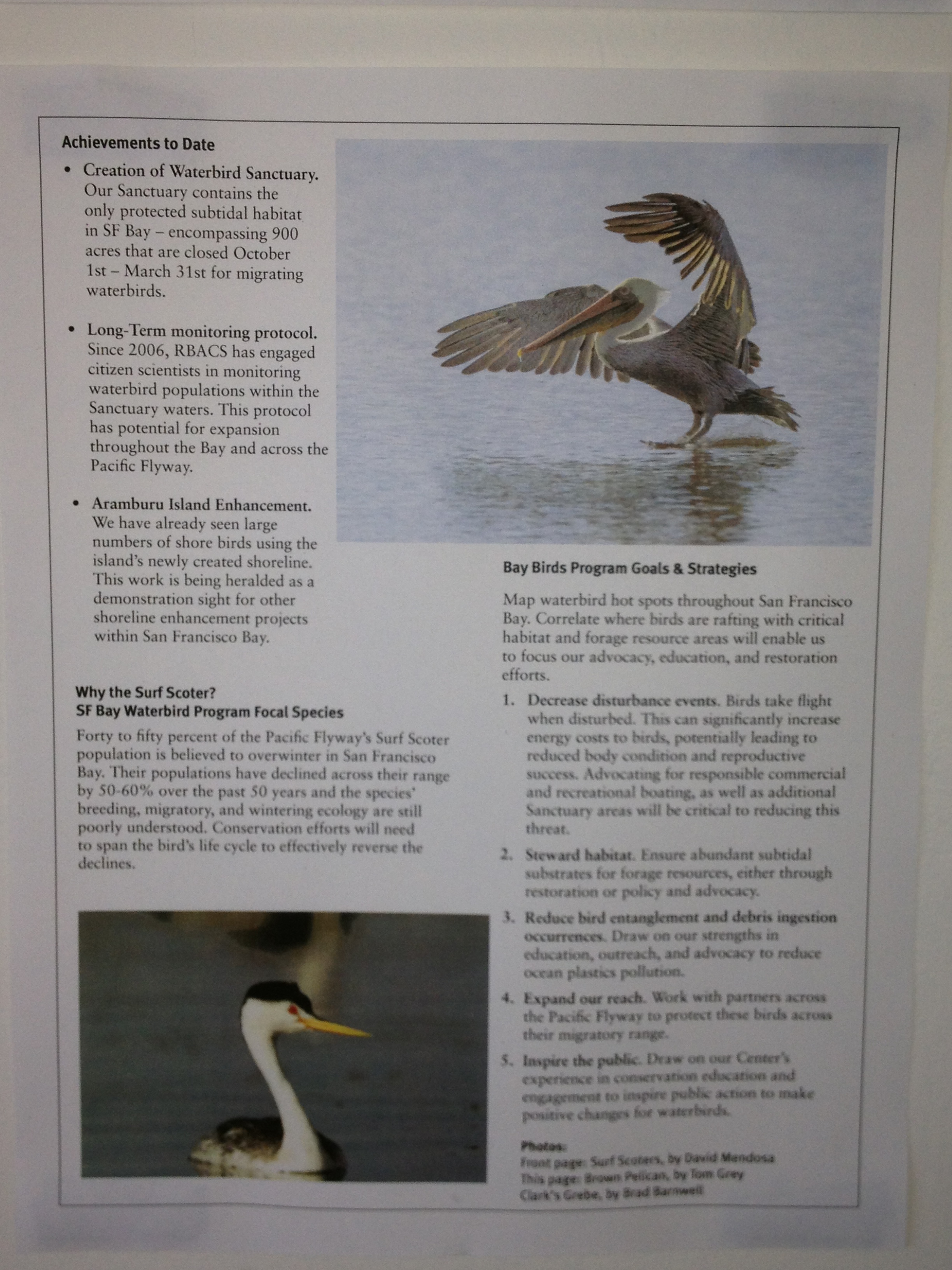
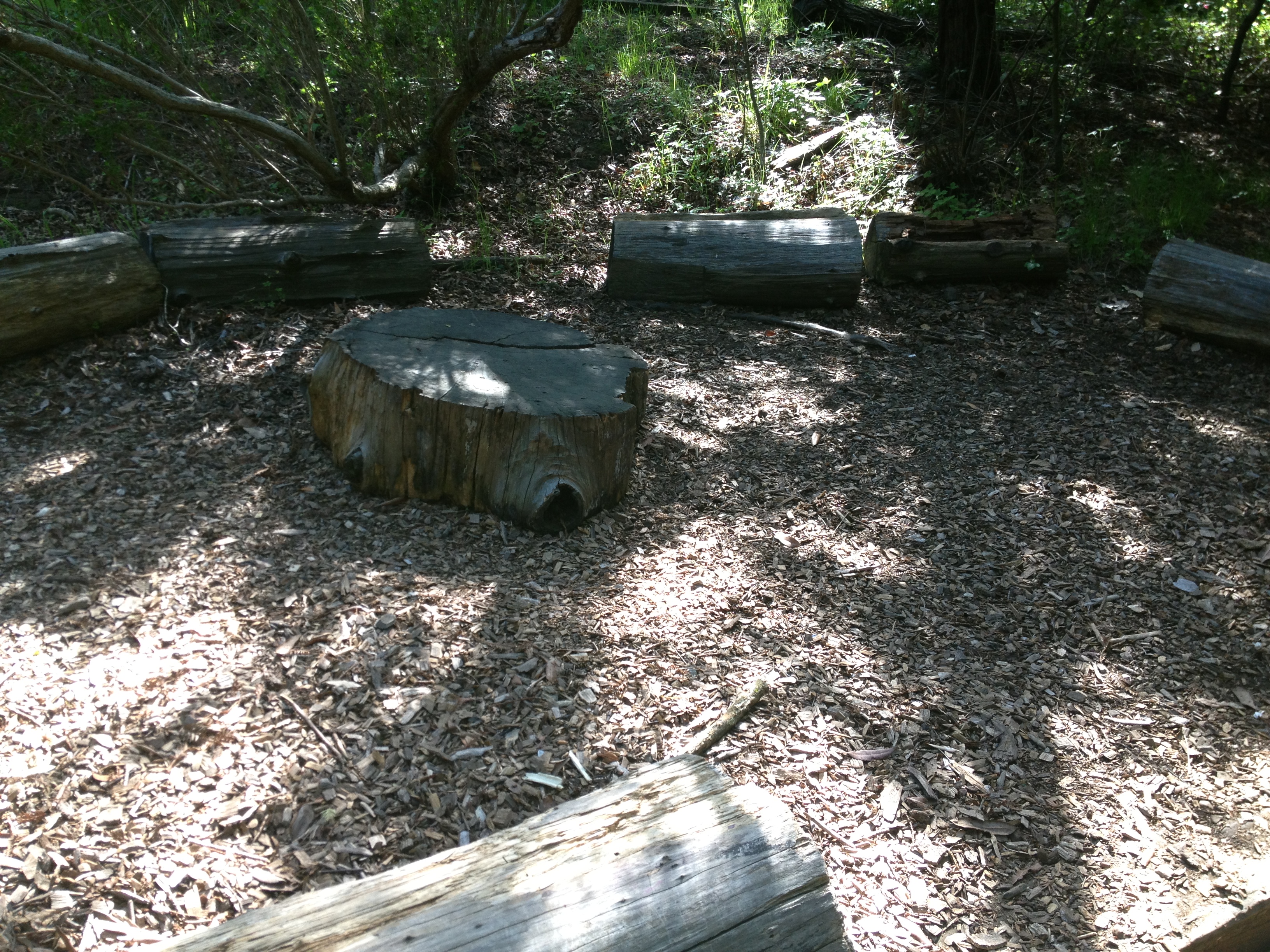
IMG_1910 IMG_1911 IMG_1912 IMG_1915 IMG_1917 IMG_1918 IMG_1919 IMG_1922 IMG_1923 IMG_1925 IMG_1926 IMG_1929 IMG_1930 IMG_1931 IMG_1932

Ways to enjoy our Center & Sanctuary

Bird watch
Hike our 1/2 mile trail
Check out an Exploration backpack
Join a drawing class
Join a bird walk – 2nd Thursday of the month at 10:15am
Have a picnic
Explore our beaches
Volunteer
Tour Lyford House
Join an education program
Learn from our demonstration gardens
Richardson Bay Audubon Center & Sanctuary is open to the public 9am-5pm Monday – Saturday. Our Center is closed most major holidays. Please feel free to contact us to verify hours of operation.

Our Sanctuary is private property. Entering the site when our gates are locked is trespassing. To protect wildlife, pets are not allowed on site.

Take a virtual tour of our site or a photo tour of our Sanctuary.

Richardson Bay Audubon Center & Sanctuary
376 Greenwood Beach Road
Tiburon, CA 94920
p: 415.388.2524


http://richardsonbay.audubon.org/

San Francisco Bay

Eelgrass

Work in collaboration with San Francisco State University continues looking at seeding and whole plant propagation techniques and if bat ray fences give the seeds a better chance of survival.
Work funded by San Francisco Foundation in collaboration with San Francisco State University began in January 2007 to look at how water depth relates to eelgrass restoration success. This work includes:
Planting eelgrass at four depths (+1, 0, -2 and -3 feet tidal heights)
Planting seeds, seedlings and whole plants to see which has the highest success rate.
Modeling bay circulation to look at potential seed dispersal
Core samples will be taken to look at the differences between species diversity inside and outside eelgrass beds.
Plans are in place to plant 500 adult shoots and 500 seeds between September 2007 October 2008.
We are currently mapping the distribution of eelgrass within the Sanctuary using kayaks (rentals donated by Sea Trek) and GPS units.